lailanie gadia
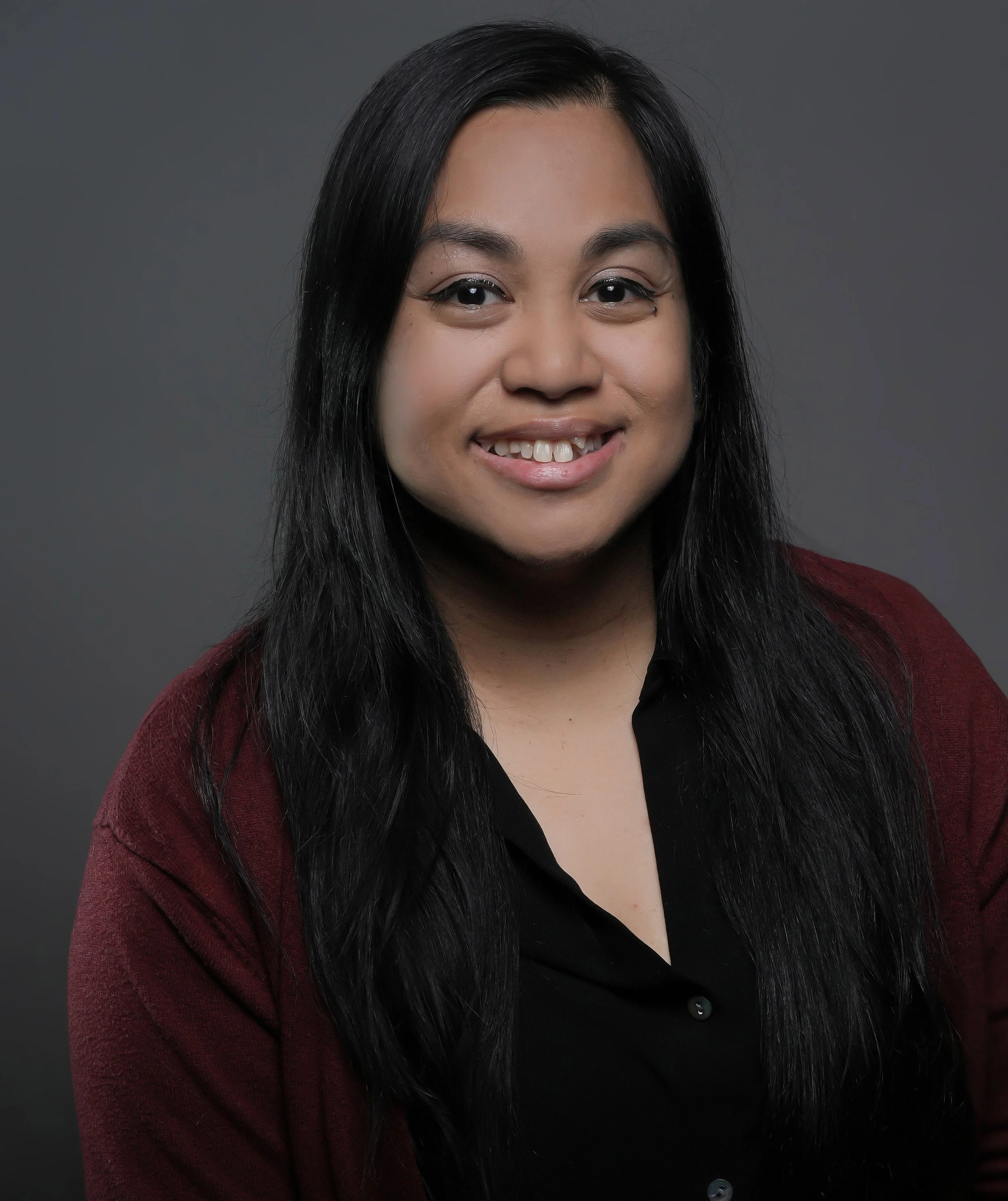
Her Journey Beyond the Island with Lailanie Gadia, Award-winning producer & filmmaker
Written by: Milla Nguyen
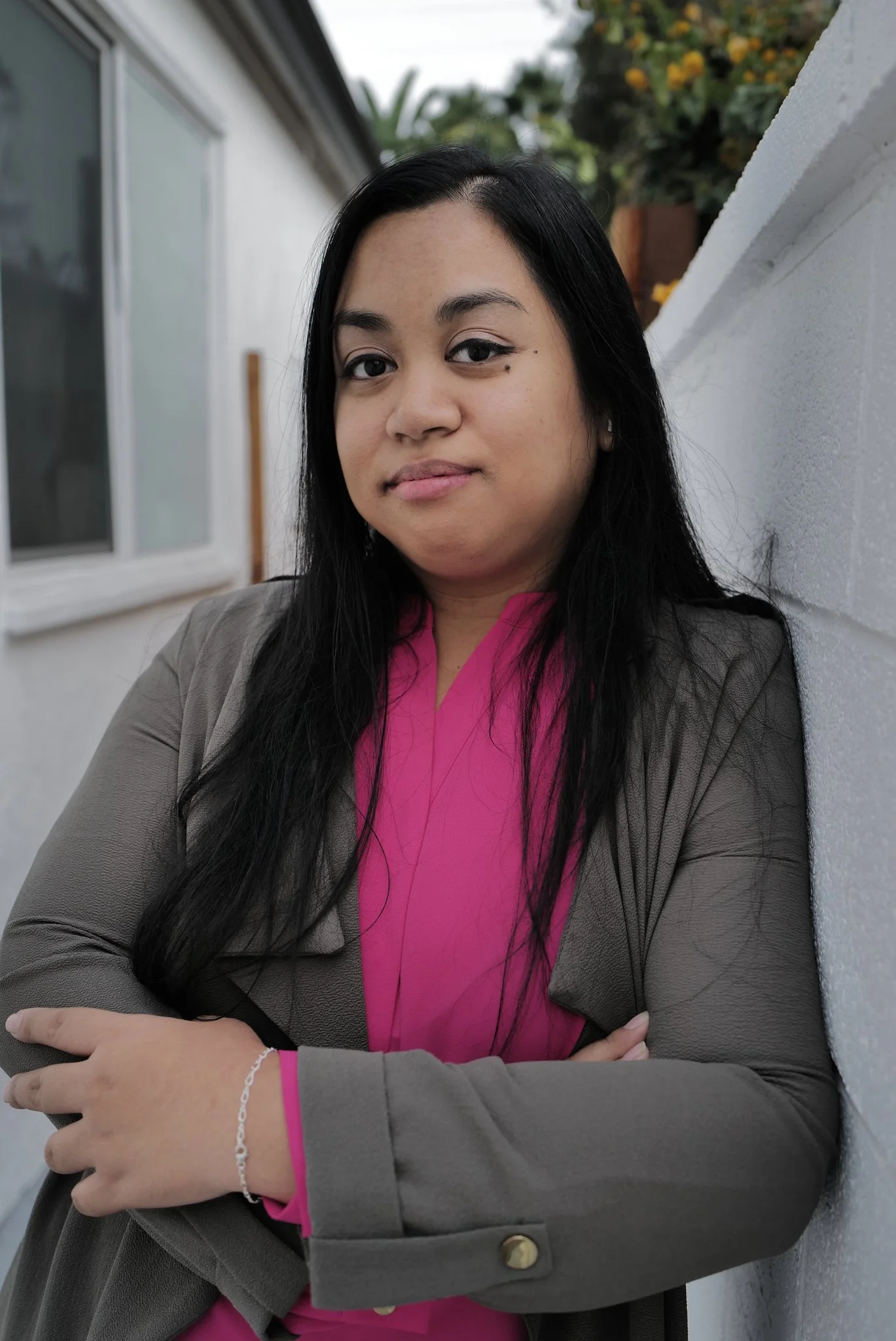
Lailanie Gadia is a producer & filmmaker who weaves the fabric of AAPI filmmakers, themes, and narratives together. While it is not always an easy feat, Lailanie continues to build a strong foundation for this purpose. She produces and develops several projects at a time, relentlessly laying the tracks down for untold stories. Not just for the sake of visibility but for education and for the community. Lailanie was also named a 2023 DOC NYC Documentary New Leader for bringing equity and change to the documentary industry. She continues to speak on panels and lead workshops about her experience in fundraising and filmmaker sustainability at various conferences. Lailanie Gadia is a producer & filmmaker who weaves the fabric of AAPI filmmakers, themes, and narratives together. While it is not always an easy feat, Lailanie continues to build a strong foundation for this purpose. She produces and develops several projects at a time, relentlessly laying the tracks down for untold stories. Not just for the sake of visibility but for education and for the community. Lailanie was also named a 2023 DOC NYC Documentary New Leader for bringing equity and change to the documentary industry. She continues to speak on panels and lead workshops about her experience in fundraising and filmmaker sustainability at various conferences.
Even though Lailanie Gadia was born in Long Beach, California, she considers the island of Guam her home. She spent most of her childhood through high school years there. Little did she know that her island roots would influence her passion for filmmaking and love for AAPI culture. Her father served in the military and her mother worked in janitorial services. Because of this, they wanted Lailanie to make the right choices. They wanted her to choose a career that would lead to income stability. . She applied to Loyola Marymount University where she majored in Economics. This would be her first time leaving the island on her own. Lailanie recalled, “As a first generation college student, I had to research colleges on my own and relied on my school counselor at the time. My parents didn’t want me to leave the island but I had a calling to do bigger things. I wanted to spread my wings.”
Once she arrived at LMU's Los Angeles campus, she quickly started building her life there. She joined the AFROTC program, inspired by her father’s path. In search of community, she participated in Filipino student activities on campus and was involved in the Ethnic and Intercultural Services office. Furthermore, while she wasn’t a film major, she teamed up with two SFTV alumni from her year who started a production company post-graduation. There, she became the director of marketing. She said, “It was a great opportunity to train myself with content and understand the early rise of social media. It helped me later on for sure.”
Post-LMU, Lailanie pursued a career in banking out of necessity. She said, “The first bank I worked at was in Koreatown. I needed to pay the bills and get my footing. Three years into that job, a recruiter reached out to me on LinkedIn during a difficult time and I was hired for a new opportunity at City National Bank. I started becoming interested in entertainment banking.” In a slow but steady evolution, Lailanie was able to leverage her skills working in banking and finance, catapulting her towards her real dream, making films.
While at City National Bank, Lailanie became involved with the Asian American Network (an employee resource group) where she was able to ideate ways to blend film, AAPI representation and the banking world together. A marketing executive at the bank became her mentor and encouraged her to execute projects. Concurrently, she was developing strong relationships at Visual Communications, a non-profit organization that is dedicated to supporting Asian American and Pacific Islander (AAPI) filmmakers. and media artists, where she managed social media during their 2018 Los Angeles Asian Pacific Film Festival. And to this day, she supports their fiscal sponsorships program. Through her work at VC, she’s been able to engage with filmmakers and partners in the community. Lailanie elaborated, “I feel VC is a huge source of support for the AAPI filmmaker community. I thank them for all the support they gave me over the years. May is one of my favorite times of the year because of their festival.”
At the peak of 2019, she was brought on to work with the team at the Asian American Documentary Network (A Doc for short). Starting off as their social media coordinator then manager right before the pandemic, she has worked her way up to her current role as operations director. Recalling her time during the pandemic, she said, “At the height of the pandemic, Anti-Asian hate was bad. There was a lot of racism. Asians are not a monolith, we’re very diverse. From there, the A-Doc team created a storytelling initiative. We commissioned ten filmmakers to make micro documentaries and five to do photo essays. We released the series out on social media.” Projects that Lailanie helped execute include: Our Stories, Our Voices, Asian American Stories In the Time of Coronavirus, and Asian American Stories of Resilience and Beyond.
She emphasized the importance of diverse storytelling, “Showing diverse stories on screen is doing a lot of things. It humanizes Asians and Pacific Islanders, and shows we’re not just lumped into an abstract idea. Beyond our skin, we have souls and hearts. I feel there’s a lot more we have in common than we think.”
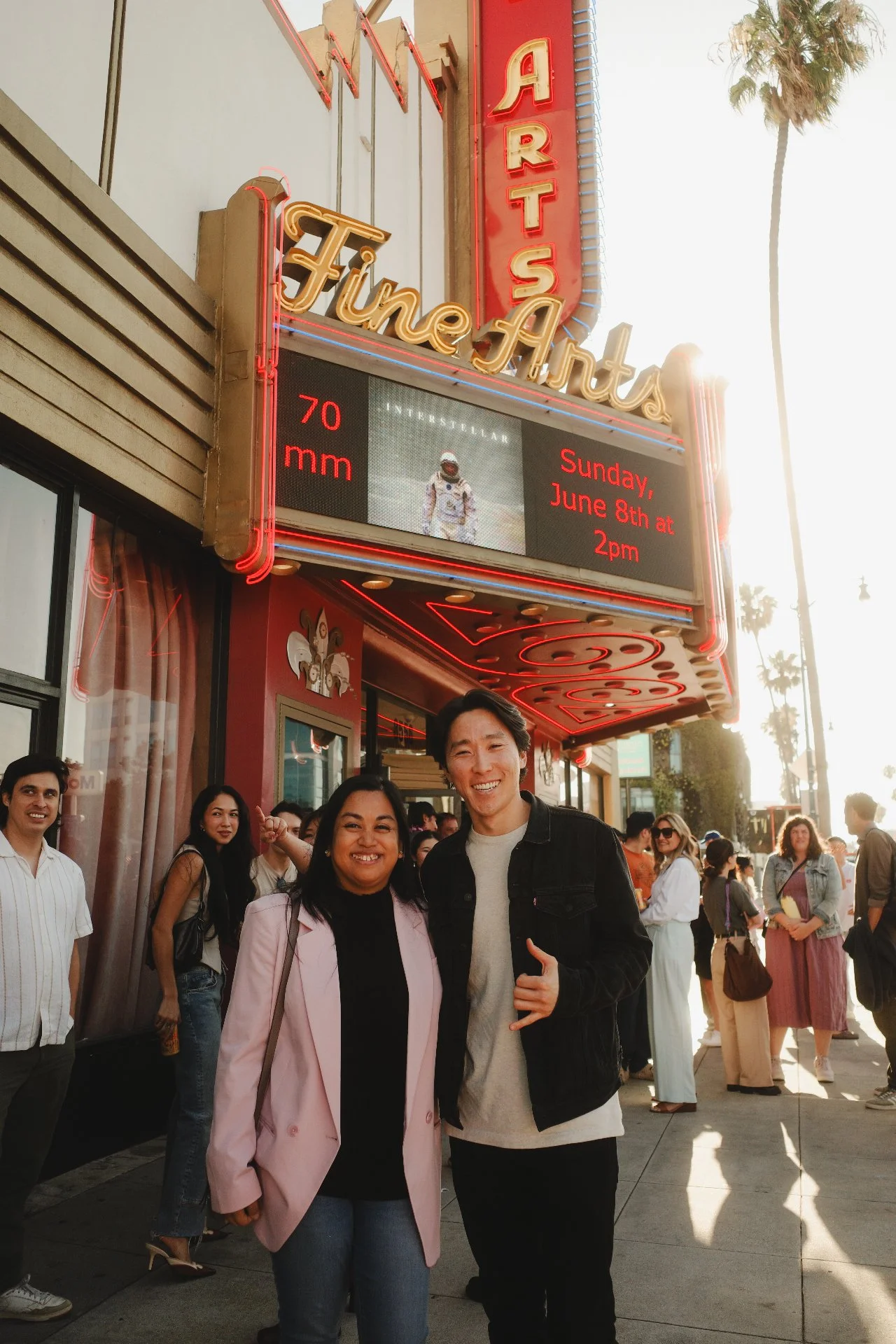
This semester, Lailanie graciously invited Allusion Magazine writers to a screening This semester, Lailanie graciously invited Allusion Magazine writers to a screening of of Third Third Act, Act, a documentary directed by Tadashi Nakamura. She served as associate producer for the last 6+ years. The film is told through the perspective of the director and his father, Robert A. Nakamura, a legendary filmmaker coined as the godfather of Asian American media’. The Nakamuras discuss the WWII incarceration of Japanese Americans, the AAPI social movement, and Robert Nakamura’s Parkinson’s Disease diagnosis. After seeing the film, the crowd was in tears. It is a raw, heart-wrenching, honest picture of how grief is felt. Grief stems from many soils: the homeland that immigrants left behind, the unfamiliar place they arrived to, and all the places they’ve experienced in between. She explained, “I helped Tad with the financial a documentary directed by Tadashi Nakamura. She served as associate producer for the last 6+ years. The film is told through the perspective of the director and his father, Robert A. Nakamura, a legendary filmmaker coined as the godfather of Asian American media’. The Nakamuras discuss the WWII incarceration of Japanese Americans, the AAPI social movement, and Robert Nakamura’s Parkinson’s Disease diagnosis. After seeing the film, the crowd was in tears. It is a raw, heart-wrenching, honest picture of how grief is felt. Grief stems from many soils: the homeland that immigrants left behind, the unfamiliar place they arrived to, and all the places they’ve experienced in between. She explained, “I helped Tad with the financial side side of of his his project. Throughout production, we were balancing many things. Like with Robert’s Parkinson’s diagnosis and his mental health while filming and fundraising. It was super personal and real.” Third Act had its Sundance world premiere in 2025 as well as its Los Angeles premiere a few months later. project. Throughout production, we were balancing many things. Like with Robert’s Parkinson’s diagnosis and his mental health while filming and fundraising. It was super personal and real.” Third Act had its Sundance world premiere in 2025 as well as its Los Angeles premiere a few months later. Lailanie lamented, “The Sundance premiere was sold out. It was truly a special moment. Prior to the screening, when I first saw Tad’s family moment. Prior to the screening, when I first saw Tad’s family with with Bob (Robert). I immediately became emotional. For the Los Angeles hometown premiere, it was a meaningful celebration of Bob, his legacy, and the community. Bob (Robert). I immediately became emotional. For the Los Angeles hometown premiere, it was a meaningful celebration of Bob, his legacy, and the community.
Lailanie’s current slate of films evokes nostalgia, community spirit, and empowerment. The first comes to mind is Bridging Our Stories (directed by Rafael Bitanga). The film follows Lailanie’s current slate of films evokes nostalgia, community spirit, and empowerment. The first comes to mind is Bridging Our Stories (directed by Rafael Bitanga). The film follows a 50-year-old Filipina immigrant who travels to the Philippines for the first time since infancy, immersing herself in her native culture and connecting with the Filipino community in Alaska. Back in October, she and the director screened a fine cut of the film for the Filipino community in Alaska, “The subject of the film is a woman who is seen as someone passionate about preserving her culture and cultural dance. However, there’s a lot of layers a 50-year-old Filipina immigrant who travels to the Philippines for the first time since infancy, immersing herself in her native culture and connecting with the Filipino community in Alaska. Back in October, she and the director screened a fine cut of the film for the Filipino community in Alaska, “The subject of the film is a woman who is seen as someone passionate about preserving her culture and cultural dance. However, there’s a lot of layers that that include include impostor syndrome and what it means to come into that role. Even I struggle with that. It was great to bring her story to life.” impostor syndrome and what it means to come into that role. Even I struggle with that. It was great to bring her story to life.”
The next is a doc-fiction project, Iakwe: Hello Goodbye (directed by Nathan Fitch), is the story of Jacob Hawkes, a young Marshallese adoptee, who meets his blood relatives for the first time while knocking on doors as a traveling salesman in Arkansas. She recalled, “As we were filming this short, Jacob was still meeting relatives he had never met before. It was special to uplift filmmaking and events that were happening in his personal life at the same time. It’s about delving deep and reconnecting with your own roots.”
The Stirring Place (directed by Neil Tinkham), is a feature about a Chamoru family visiting Guam for a military funeral when the son, eager to prove his Chamoru-ness, joins an The next is a doc-fiction project, Iakwe: Hello Goodbye (directed by Nathan Fitch), is the story of Jacob Hawkes, a young Marshallese adoptee, who meets his blood relatives for the first time while knocking on doors as a traveling salesman in Arkansas. She recalled, “As we were filming this short, Jacob was still meeting relatives he had never met before. It was special to uplift filmmaking and events that were happening in his personal life at the same time. It’s about delving deep and reconnecting with your own roots.” The Stirring Place (directed by Neil Tinkham), is a feature about a Chamoru family visiting Guam for a military funeral when the son, eager to prove his Chamoru-ness, joins an activist group protesting a planned military shooting range. Lailanie will be returning to her home island of Guam to shoot this film, bringing her journey full circle. She said, “When I left Guam, I wanted to experience the world. I feel like I have. It made me appreciate Guam more. I want to uplift more Guam stories and give back. It feels like my homecoming.”
She is in development with another feature film, Milk & Honey (directed by Rachel Leyco), a narrative surrounding an ambitious Filipina nurse who leaves her family behind in the Philippines to chase the American Dream in the 1990s. “We recently completed the short film version as a proof-of-concept which is a winner of the 2025 CAPE Julia S. Gouw Short Film Challenge co-presented by Janet Yang Productions.” she said. “This story is really emotional. There are a lot of Filipinos who are nurses and I’m sure everyone else knows at least one. There’s a lot of history there, and the film speaks to the hardships that Filipino nurses have gone through.”
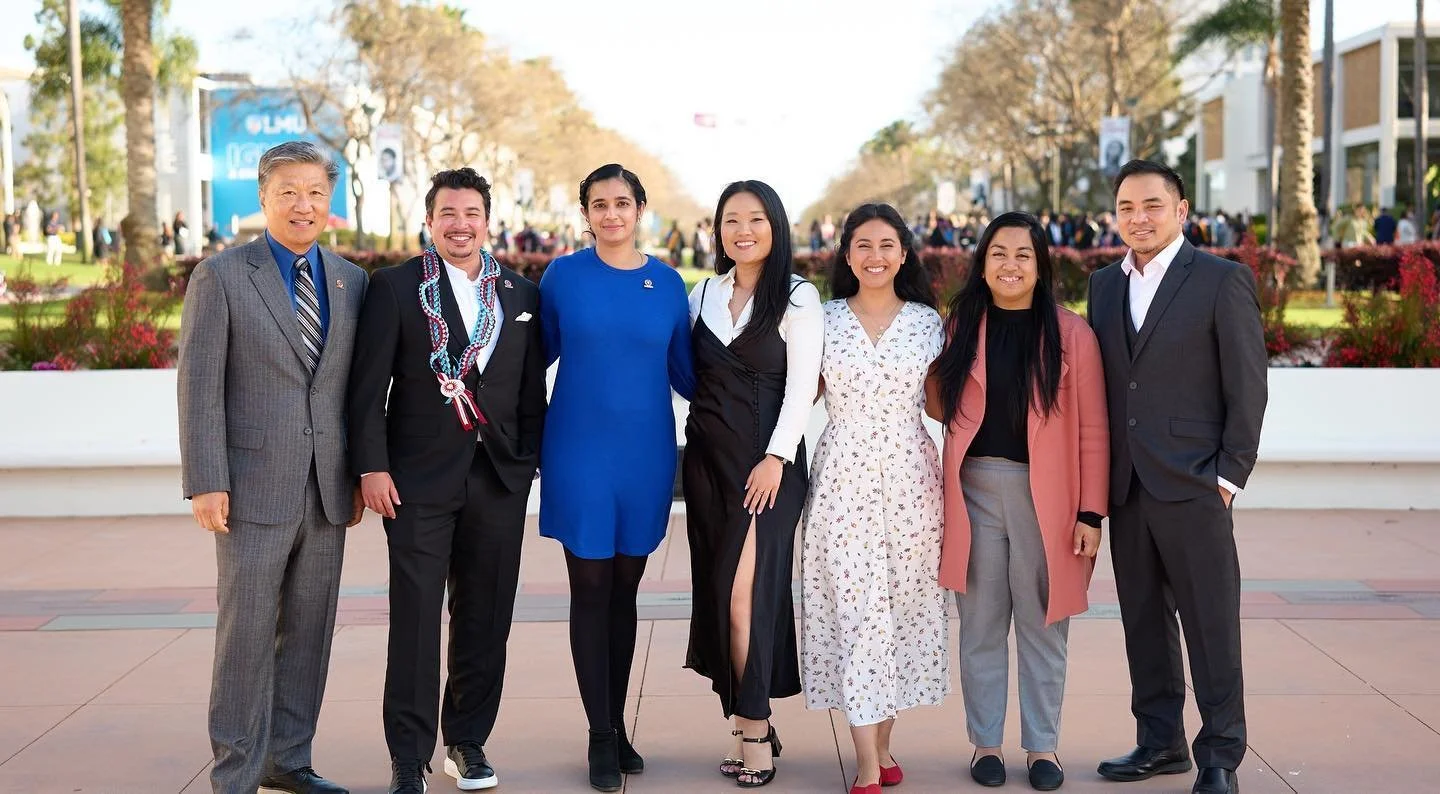
As she continues to develop more projects, one fact remains true: Lailanie is dedicated to serving her community and uplifting others. Currently, she also serves as board member of the APIAA (Asian Pacific Islander Alumni Association) at LMU. They frequently host networking events and activities. She said, “Coming back to LMU to support current students is really great. I love connecting with them and enriching the alumni network. We’re still a young association but we’re finding our place.” As she continues to develop more projects, one fact remains true: Lailanie is dedicated to serving her community and uplifting others. Currently, she also serves as board member of the APIAA (Asian Pacific Islander Alumni Association) at LMU. They frequently host networking events and activities. She said, “Coming back to LMU to support current students is really great. I love connecting with them and enriching the alumni network. We’re still a young association but we’re finding our place.”
Additionally, as the founder of her self-made production company, Mango Stories, she continues to make dreams happen. From pen to paper, and paper to screen, Lailanie has no plans to stop her mission of highlighting important, diverse stories. In the end, I asked if there was anyone she would like to thank for supporting her in her career. She credited her mother for being her role model. She said, “My mom and my dad are supportive in their own ways. My mom is such a hard worker. I learned to work hard from her. I dedicate a lot of my successes to her.”