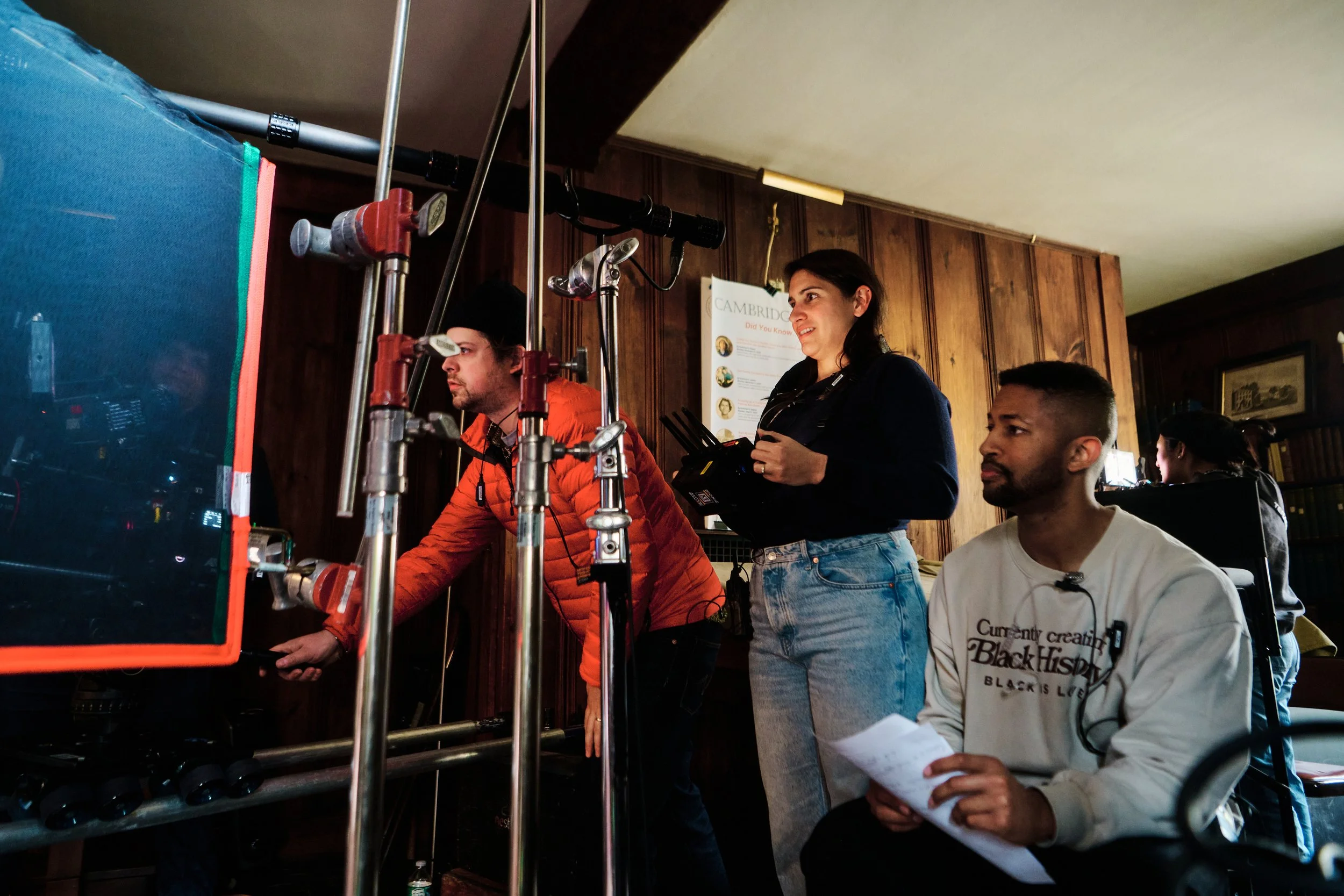
jon-thomas royston
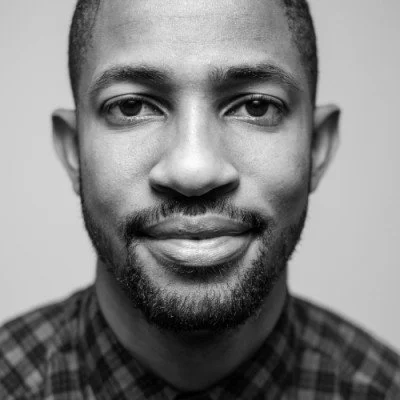
A Film is Worth a Thousand Words: Jon-Thomas Royston on His impact-first filmmaking
Written by: Milla Nguyen
When audiences watch actors perform on screen, there are actors who don’t use words to describe how they feel. They use facial expressions and body language. When fans attend a concert, there are musicians who can communicate relatable experiences through only instruments. When filmmakers watch movies in a theater, there are stories that are simple, but have thematic messages that are heard loud and clear. Jon-Thomas (J.T.) Royston has defined himself as not only an award-winning producer, but a leader whose filmmaking is impactful on all levels: socially, economically, and interpersonally. It is clear that his stories will change communities for the better and encourage them to be even more vulnerable than they already are.
Being from a military family, J.T. moved all over the place. Born in Texas, he later planted roots in Germany, Hawaii, and finally, Santa Barbara, California. As a child, it was exciting to see so much of the world so fast. At the same time, it led him to be curious about his own identity. He asked himself: Where do I belong? What am I meant to do?
In the interview, he explained that his parents didn’t splurge on many things due to moving around so much. However, they did spend money on food, necessities, and Friday night movies. While he loved watching movies and making trips to the Blockbuster in their neighborhood, he didn’t think of filmmaking as a career yet. He just knew he loved the arts.
J.T. graduated from Concordia University with a degree in marketing, searching for a career that was comfortable and stable. After graduating, he worked at a boutique agency for four years. As a creative side hustle, he pursued a certification in music producing at the Garnish School of Music Production while working. On top of that, he volunteered at youth organizations such as Peace4Kids and Big Sisters Big Brothers of America. Even though J.T. was exposed to all kinds of jobs, people, and stories, he thought: What art form expresses what I want to say? That goes beyond words?
His answer was film. Looking at where he is now versus the beginning of his story, it’s safe to say that all these different pieces of his background fit into his role as a filmmaker like a jigsaw puzzle. Film combined his marketing knowledge from university, his love for making music, and his passion for telling stories about people who overcome injustice. Something he saw in a lot of community leaders at the non-profits he volunteered for.
Later down the line, he co-founded and became the CEO of his own impact-first creative studio, Never Whisper Justice. A powerful label that is imprinted on every project he creates. I asked about his thought process behind the studio’s name. He said, “In our documentary Black Boys, we interviewed Justice Page, an associate justice of the Minnesota Supreme Court, and his wife Diane. When asked about a quote that spoke to their shared convictions as philanthropists, they recalled the words ‘Never Whisper Justice’. A quote from a previous law professor that has acted as a guiding principal for their advocacy journey. Later that year, Diane passed away from cancer. As a team, we decided how powerful this phrase was. We wanted to honor Diane and the principle of our ‘why’ as filmmakers.”
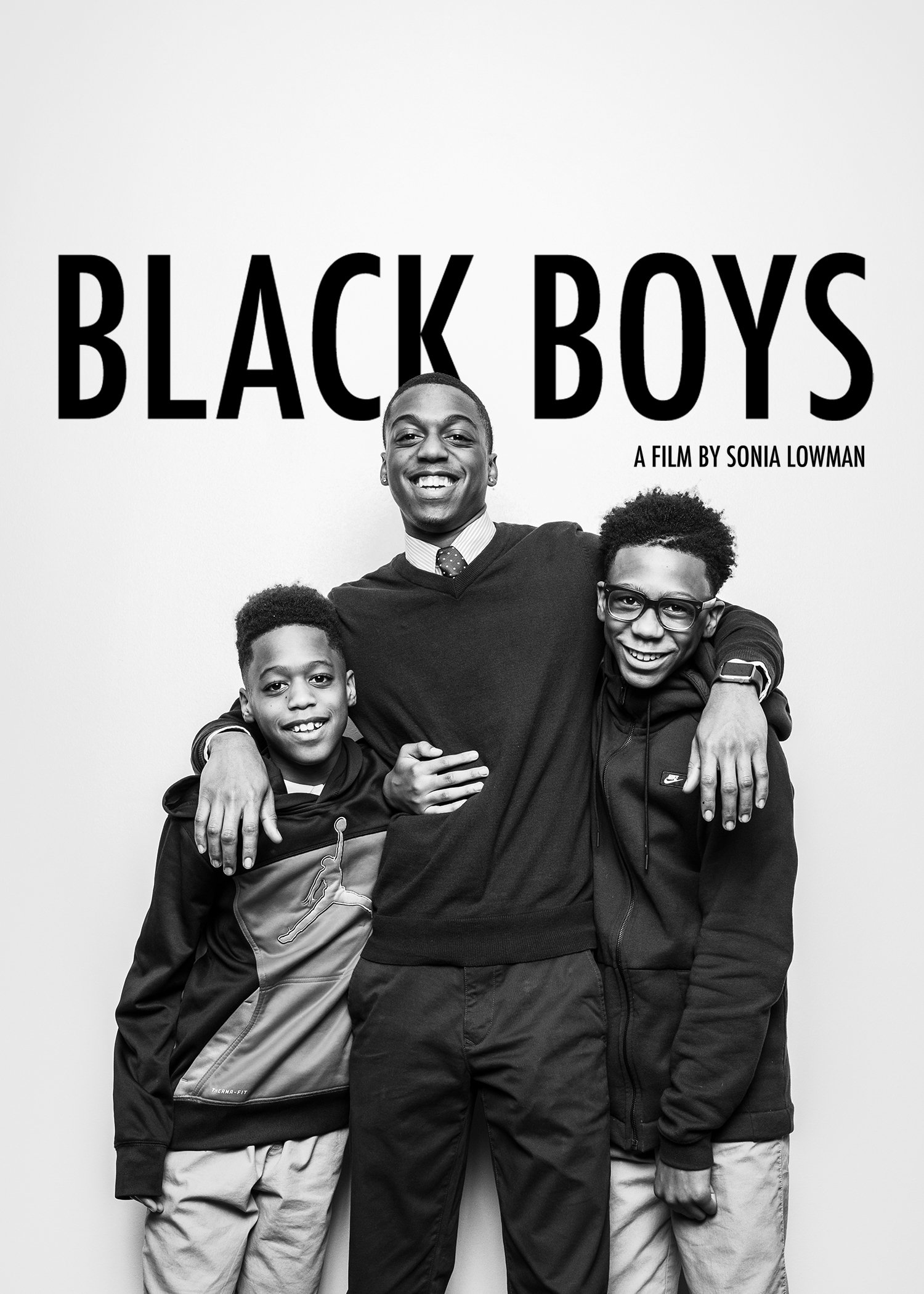
J.T. served as a producer on two immensely impactful documentaries, Black Boys (directed by Sonia Lowman) and Black Girls (directed by B. Monet). Both received distribution with NBC Universal and Comcast. After watching both, Black Boys examines the process of growing up from the perspective of Black boys and men, as many face hardships of community pushback, police brutality, and stereotypes in the media. At the same time, the film is a reflection of strength and homecoming to a safe space where Black men can be vulnerable. Black Girls, my personal favorite of the two, might be lighter in tone and visuals but does not skim over the obstacles that almost all women face today.
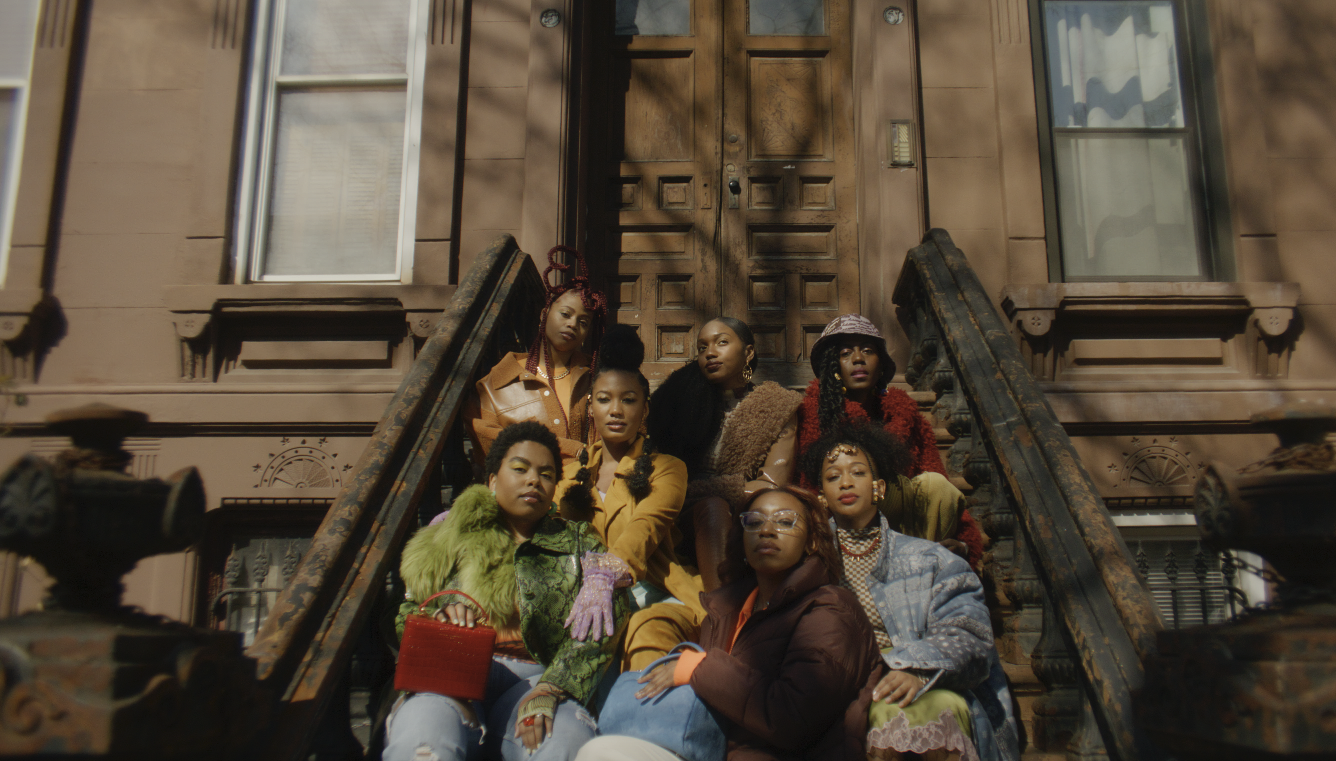
Obstacles range from unrealistic beauty standards to health scares to colorism, among other things. Black Girls is a celebration of Black girls and women who come in all different shapes, sizes, skin tones, and personalities. J.T. recalled, “When Black Boys came out, it was during the time when there was a public outcry about police brutality. I even felt that the word ‘Black’ was rooted with deep biases, especially when placed on young Black boys. The historical element of the documentary was important in showing how that bias was created. Black Girls took a different lens on Black girls and women, holding space for Black women to feel supported. We intentionally showed how Black women can influence Black girl youth too, through their softness that they don’t always get to feel. Especially if they’re the first to be vocal about injustices made against their communities."
Utilizing his marketing background, he helped grow a relationship between his production company, Never Whisper Justice, and partners Procter & Gamble, as well as the NFL. He said, “Procter & Gamble had a tenured commitment to increase high school graduation rates. Our film, Black Boys, covered education extensively and we wanted to create a campaign that would amplify these overlapping messages. With the NFL, we filmed players watching the film with kids in classrooms. It was an extension of our mission.”
J.T. emphasized the synergy between films, their audiences, and the marketing behind these films. He said, “Marketing is a vehicle that creates resonance with the audience. It’s about preserving what you want to say.”
During the release of Black Girls, J.T. made it a point to partner with non profit youth organizations and city arts organizations for interactive events. For example, in 2024, NYC Her Future partnered with the NYC Young Men’s Initiative as well as Never Whisper Justice for an exclusive screening of Black Girls. The screening was shown to young Black girls ranging ages twelve to fourteen. I asked J.T. how he felt speaking to Black youth about such an important message and project. He elaborated, “We had an amazing cast of women: Allyson Felix, Alex Elle, Vanessa Rochelle Lewis, Marley Dias, Olympia Ausett, and Jacqueline Alexander-Sykes. All of them showed what it means to find yourself. Having that imprint and that sort of encouragement at an early age allows young girls to witness resilience. It’s a fortification of the spirit and the soul. It’s a language of what you represent, your story, and how your story evolves in the future.”
He described the symbiotic relationship between films and the people who watch them, “Stories like these are important. We want to democratize the idea that people can and should tell their stories. We live in a world where not everyone has had the opportunity to feel special or the ability to feel truly seen. Sitting down with folks and talking about what kind of person they want to be is just as important as the film itself.”
J.T. has many plans for what’s coming up next. He’s been ideating the third installment of Black Boys and Black Girls. Part of being an artist is appreciating the art around you. J.T. mentioned some filmmakers who have inspired him on his journey, such as Ben Proudfoot, Tommy Oliver, RaMell Ross, and Kahlil Joseph. In between projects, he finds himself consuming more films, music, and literature that get his gears turning.
He’s also dedicated to including more non-profits and youth organizations in his work. He explained, “When it comes to investing in the next generation, it’s a lot of individuals who are working to create a community with intention. By working with Peace4Kids, Headstart, and Zero to Three, I have experienced these individuals who have committed their lives to uplifting youth, not for a paycheck or self actualization, but because they have deep convictions. We take it seriously at Never Whisper Justice, bringing people together on screen and off of it.”
At last, I asked if there was anyone he would like to thank for supporting him in his career. He mentioned his family, “I want to thank my parents, my brother, and sisters. My earliest creative experiences came from being around them. We didn’t always have community but we had each other. I’d like to thank my Never Whisper Justice team, Elaine Casap, Chad Williamson, Jessica De La Rosa, Matthew Chao, Angela McLain and all the heads of departments. Additionally, our advocacy partners who inspire us and invite us into their stories.”