jacob staudenmaier
Jacob Staudenmaier talks The Jack Harris show, pepperoni & more
Written by: Milla Nguyen and Kahlil Maskati
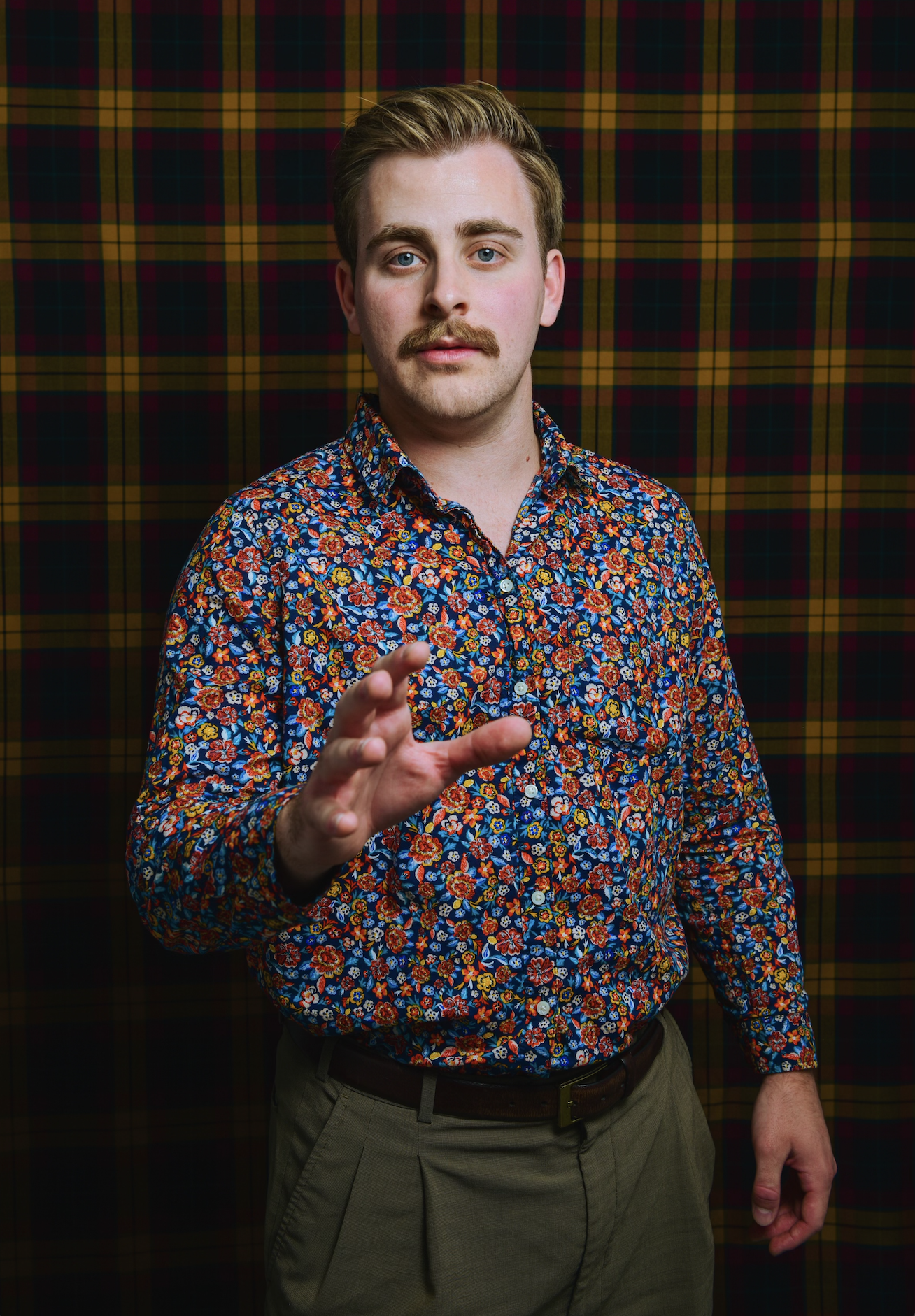
I had the opportunity to interview Jacob Staudenmaier, a rising filmmaker and alum of the LMU production program. Make no mistake, he is determined to break into the industry, the Jacob Staudenmaier way. He can be described as someone who is unabashedly himself, no matter the circumstances. Plans could be thrown out the window on set, and Jacob will still find a way to improvise and create an experience. His laidback authenticity and ability to adapt are two of his strongest suits.
Born in the desert sands of Arizona, the summers were always hot, and people opted to stay inside. Even so, Jacob spent his childhood exploring the arts right at home. He found himself sketching and creating images. In his mind, he dreamed up worlds and characters that only he imagined. When asked, he had two seminal moments in his life that pointed him in the direction of filmmaking. He explained, “There was one art camp I went to and I met two new friends that I hit it off with. Later, I ended up going to the same high school with one of them. Luckily, our high school had a great film program too. Filming stuff with those two friends and the program really jumpstarted the creative spark for me.”
The second moment was during junior year of high school. Jacob recreated the opening scene from the highly popular musical film, La La Land, and rewrote the lyrics as a promposal to the lead actress, Emma Stone. He knew it was a longshot, but was excited to shoot something fun with his friends. When it was finished, he posted it on YouTube. Within just a few hours, his phone blew up with hundreds of notifications and text messages. His video went viral online, and currently has 1.4 million views today. At seventeen years old, he was invited to be interviewed on Good Morning America and Jimmy Kimmel Live!. This gave Jacob a dose of confidence he needed to pursue his dreams as a filmmaker.
Later, Jacob was set to attend Loyola Marymount University for college. He spoke of his time at LMU fondly, “I’m so glad I went there. I don’t know if it was the universe or something but I met all of my best friends and collaborators there. We all still work together to this day. The filmmaking community has a real sense of teamwork. I never felt like people were there to show off. Of course, there was friendly competition, but we all raised the bar for each other. It’s a great feeling.” Years later, as a collective, Jacob and his group of filmmaking friends and collaborators from LMU became highly successful in the community, often generating their own opportunities. They carry this ‘just do it’ mindset into the work they do today, no matter what odds are stacked against them.
When it came to defining his creative voice, Jacob fell in love with the idea of comedy. Comedy had the power to make anything approachable – deep emotions, current events, and even his own identity. His first feature film, Chasing Sundance, was a collaboration with close friend and fellow LMU alum, Nathan Xia. The film is a meta comedy about two film school graduates who embark on an adventure to make a feature film as their last-ditch effort to break into Hollywood before entering the real world. Both Jacob and Nathan star in the film. He elaborated, “Nathan and I worked on a bunch of stuff together but together in hadn’t a worked co-director relationship yet. The pandemic happened and a lot of our projects fell through. One night, we decided we wanted to make something. This is how Chasing Sundance came about. The meta part kind of takes away the pressure of having to make a perfect film. The crew was just Nathan, me, and our two cinematographers on a road trip. It spoke to how we were feeling. It was an outlet to channel our anxiety nearing graduation.”
Jacob offers his insight on the pressure that almost all filmmakers experience: the idea that those who make short films must eventually make features. In this sense, Jacob carves his own path and goes against the grain. He has created several short films, skits, feature films, and even a comedy show. Even though he’s already put together his own features, it doesn’t stop him from writing short form content.
He explained, “I was working on short films and features at the same time. I don’t think I was chasing the idea of making a feature even though people at school were and did it differently. I sort of have a vision for who I want to be in the future but the specifics of that are totally gone. I just enjoy making things and don’t feel locked in with one thing.” In addition to what Jacob said, his mindset is liberating in a sense. When he takes away the all consuming pressures of his dream, it allows him to focus on what really matters: his passion.
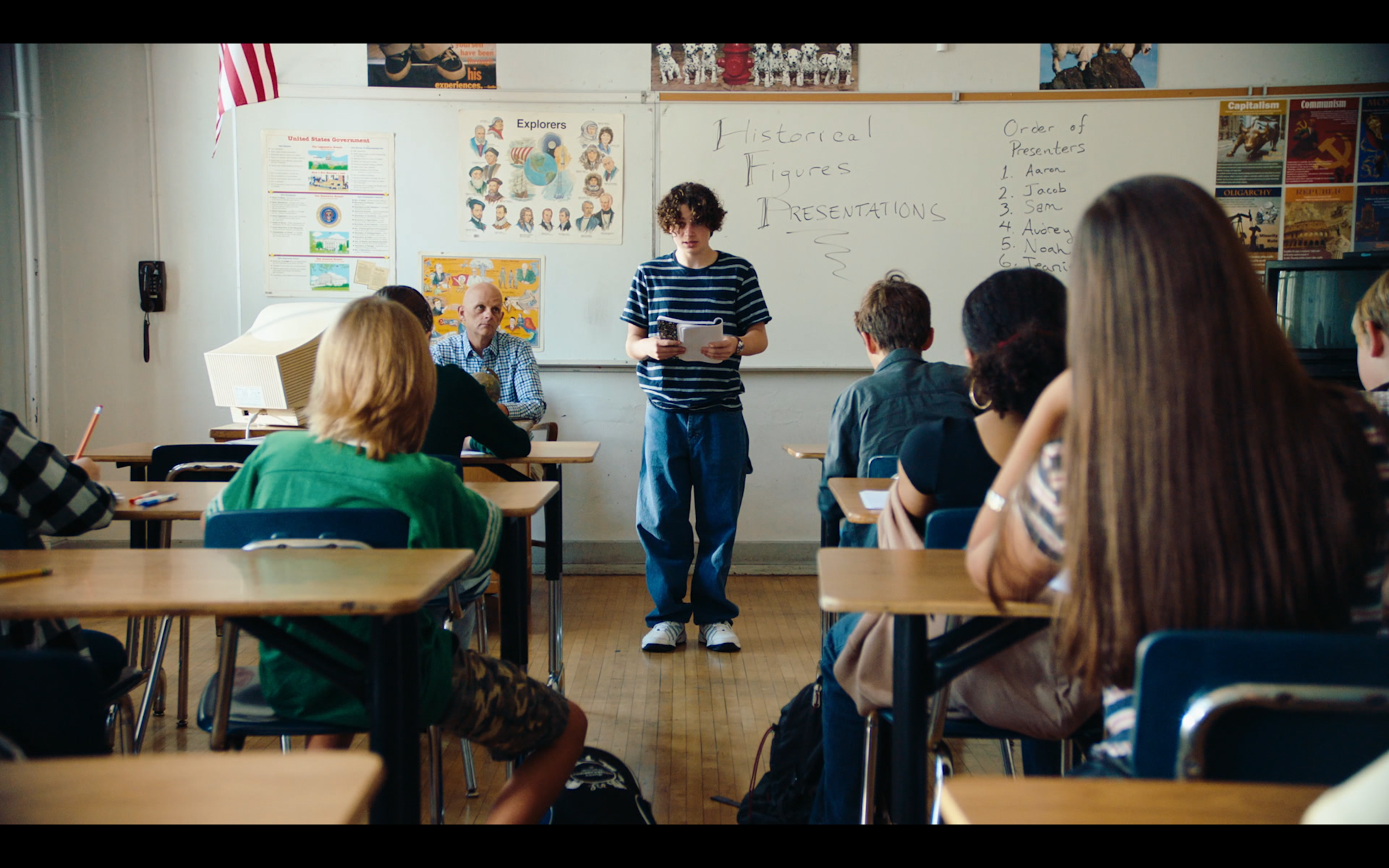
The short film that Jacob is most known for is Pepperoni. It follows a self-conscious eighth-grader who seeks the help of a famous wrestler after a school bully threatens to expose his darkest secret: his pepperoni nipples. As mentioned above, Jacob showcases character-driven comedy that makes you laugh-out-loud, but also has emotional subtext underneath. As much as people don’t want to admit it, every person has gone through the embarrassing process of puberty. Your body shape changes, your emotions are in flux, and you’re suddenly hyper-ware of what people at school think of you. Jacob detailed his process of developing the story, “The film was so directly tied to something I was vulnerable about. I think more so now, my comedy is about laughing at myself and insecurities I have. Through creating, we can own it. It’s cathartic, and it’s opening a door to conversations. Like, I don’t mind taking off my shirt anymore.”
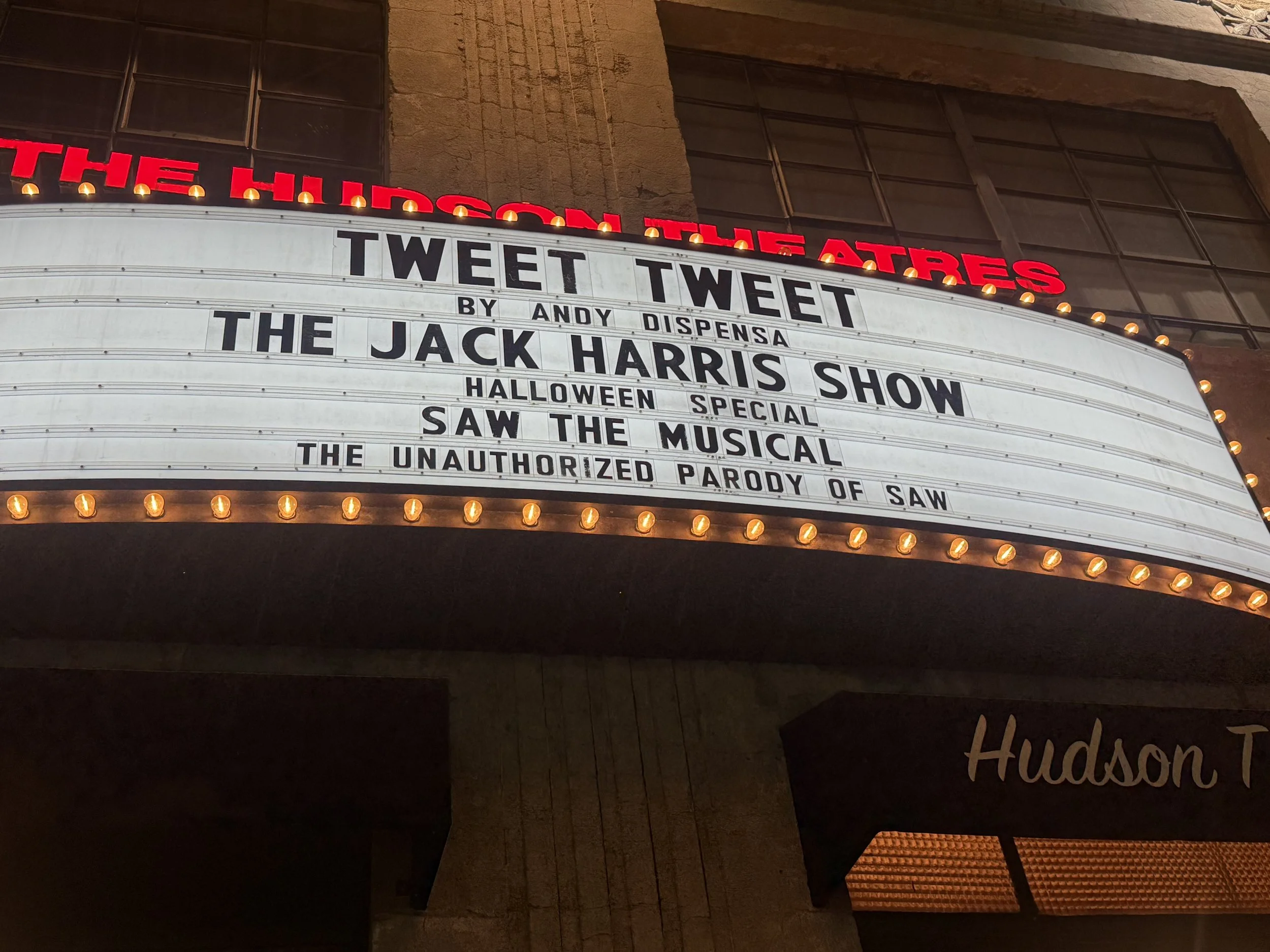
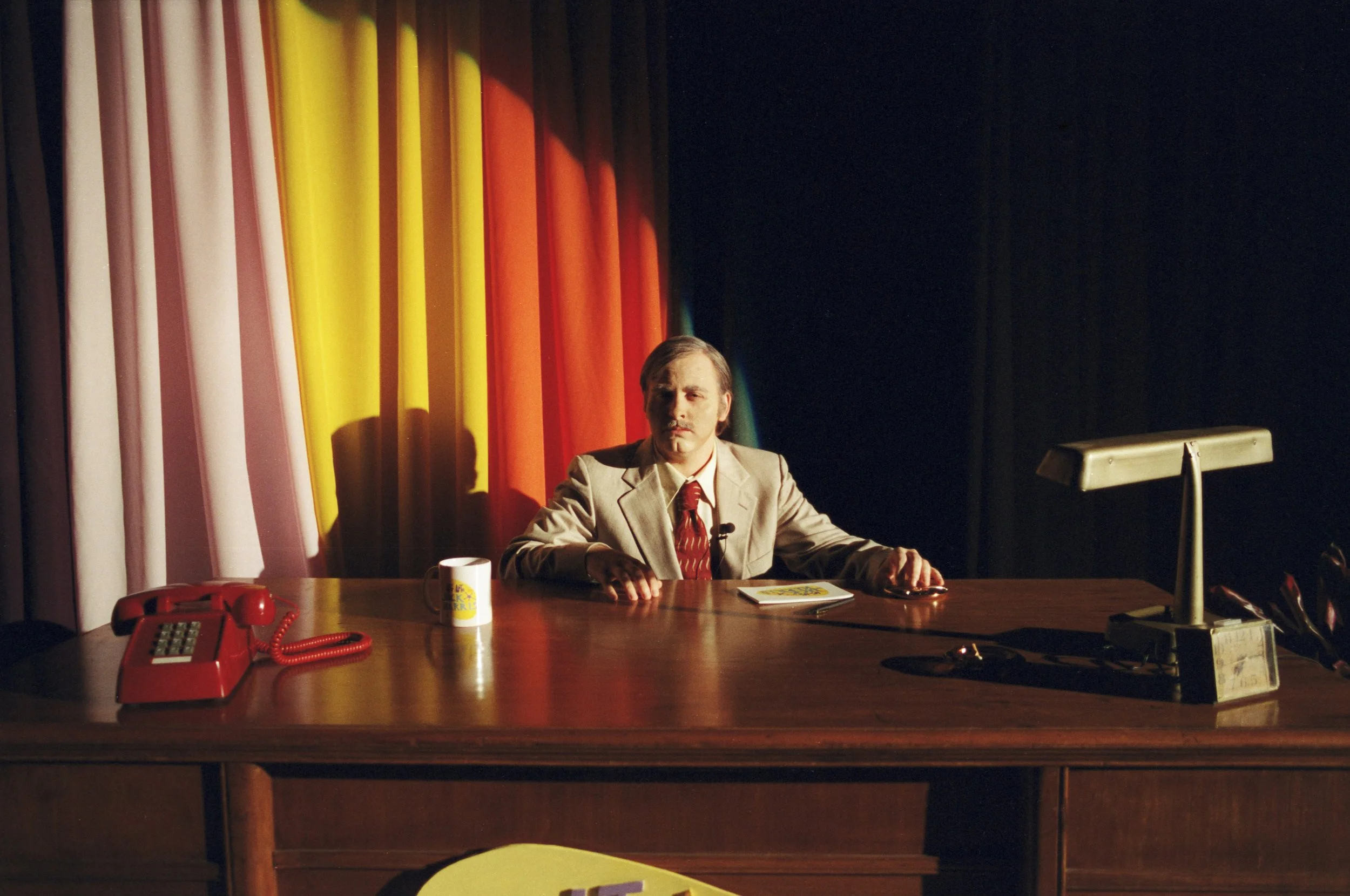
The comedy streak continues. Jacob’s other recognizable creation, The Jack Harris Show, is a major source of his excitement for creating. It is a surreal theatrical play disguised as a 70s talk show that has filled out seats at Hudson Theatres in Hollywood. Jacob not only created it but also stars as Jack Harris, a dead talk-show host from the 70s who has returned to revive the dying late-night scene. Every show, his transformation is complete with impressive makeup and themed costuming. He elaborated on the show’s creative direction, “The live studio audience is a part of the talk show. Having the curtains, the desk, and the live band brings it to life. We want the audience to lose themselves in this world we've created for 90 minutes. We did our first show in a backyard and it was chaotic. Now we’re in a live theatre. Every show features an entirely new storyline. The storytelling is always an important feature, but the narratives themselves are constantly being reinvented.” Since the first show, Jacob’s second installment was Christmas themed, based on the Christmas Carol. This November, the third installment is a Halloween special, teasing comedic set pieces and possible jumpscares.
Because of Jacob’s natural desire to explore and experiment, he is also well-versed in acting. He has acted in a wide range of drama, comedy, and music video projects. I asked him about his process of getting into his unique characters, he said, “I don’t really have a specific process but I try to immerse myself as closely as possible. I run the lines as many times as I can and I pull experiences from my own life. I don’t want to feel like I’m reading words. I strive to align myself with the character.”
When it comes to the new things he’s working on, he plans to build out the lore of The Jack Harris Show and plan for more in-person shows in the future. He’s also editing his second feature film, which was filmed back in 2020. The film is a meta-comedy about getting out of project hell and completing film projects, a concept similar to Chasing Sundance.
In the end, I asked him if there was anyone he would like to thank for supporting him in his career. He mentioned his friends from art camp, Alli Gooch and Josh Babu, as well as Riley Johnson and Dallas Greene. He referred to them as his “Mount Rushmore of filmmaking friends whom he first discovered his love for filmmaking with." He emphasized, “They're the people who I grew up with and made movies with when I was younger. I wouldn't be the filmmaker I am today without their assistance during the early parts of my journey.”