yiran chen
Yiran Chen’s viewfinder: cinematography, color, and cultural roots in China
Written by: Milla Nguyen
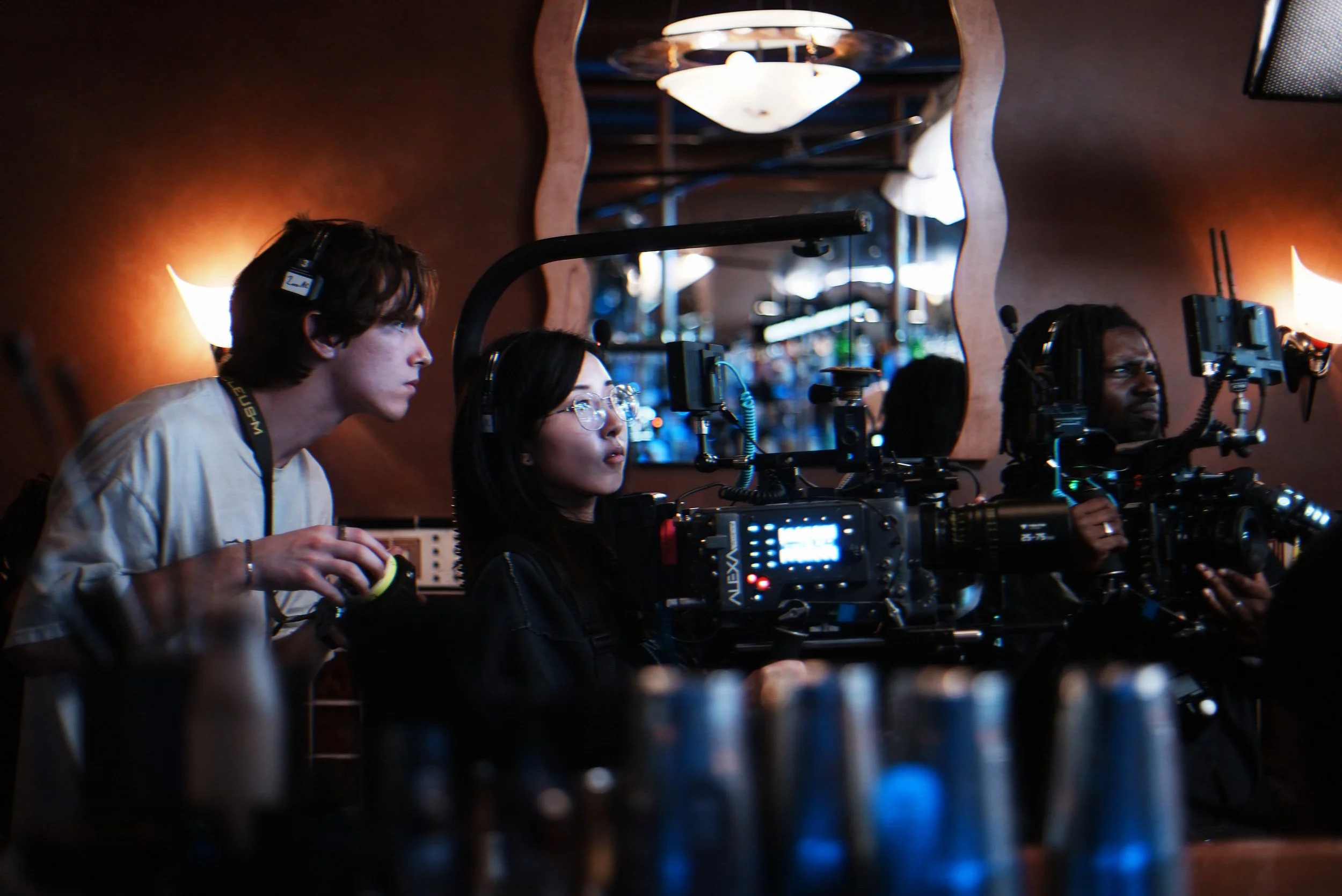
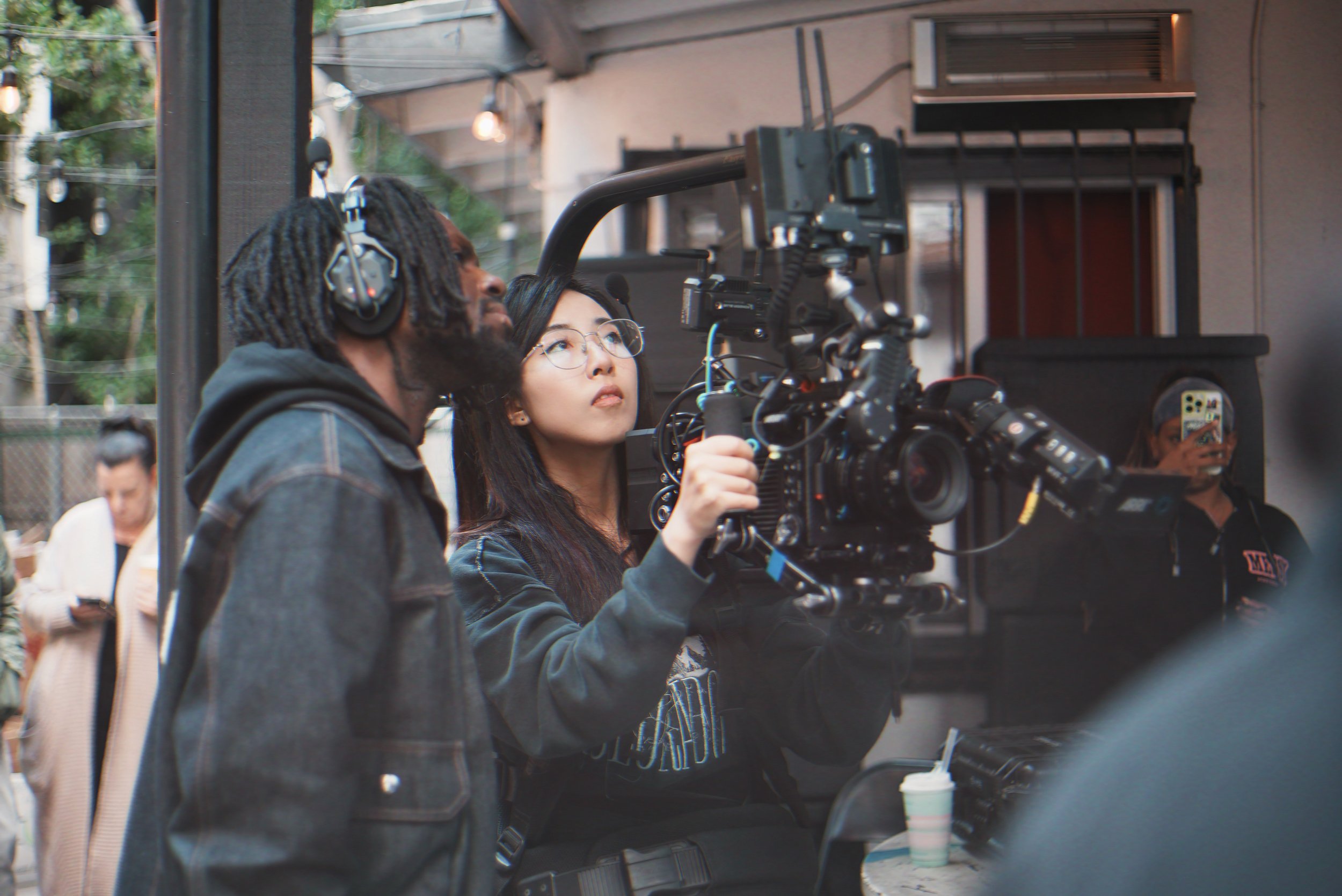
Yiran Chen is a cinematographer based in Los Angeles, and a filmmaker who has mastered the creative voice she’s been searching for all along. The frames she captures unveil the world as a kaleidoscope of color. The characters she films are incredibly layered and are tonally emotional, in the most human way possible. As a person, she is humble and hungry to learn, a trait that will ensure her future success in the industry.
Yiran’s journey started with her childhood in a seaside city in China, about a six hour journey from Shanghai. Her childhood was defined by a multitude of storytelling. She credited her father for encouraging her to be well-versed in all forms of art: literature, music, and painting. She said, “I was always interested in classic novels and Chinese literature. I thought I wanted to be a novelist at first. I also liked music and learned how to play the pipa. The arts were fun.” In middle school, Yiran and her friends put on plays and shows for the community. This created her passion for telling stories as a whole. Yiran’s journey started with her childhood in a seaside city in China, about a six hour journey from Shanghai. Her childhood was defined by a multitude of storytelling. She credited her father for encouraging her to be well-versed in all forms of art: literature, music, and painting. She said, “I was always interested in classic novels and Chinese literature. I thought I wanted to be a novelist at first. I also liked music and learned how to play the pipa. The arts were fun.” In middle school, Yiran and her friends put on plays and shows for the community. This created her passion for telling stories as a whole.
Eventually, she was accepted to Sichuan University’s journalism & media program. During her assignments, she was responsible for conducting interviews and filming subjects. However, she felt that the interviews didn’t draw the audience in. The people watching them didn’t connect emotionally. Yiran elaborated, “Journalism gave me a lot of chances to shoot. I also had free time to watch a lot of films. I also got my own camera. But I wanted to treat it like real art. I talked to my parents and I told them I was interested in filmmaking.”
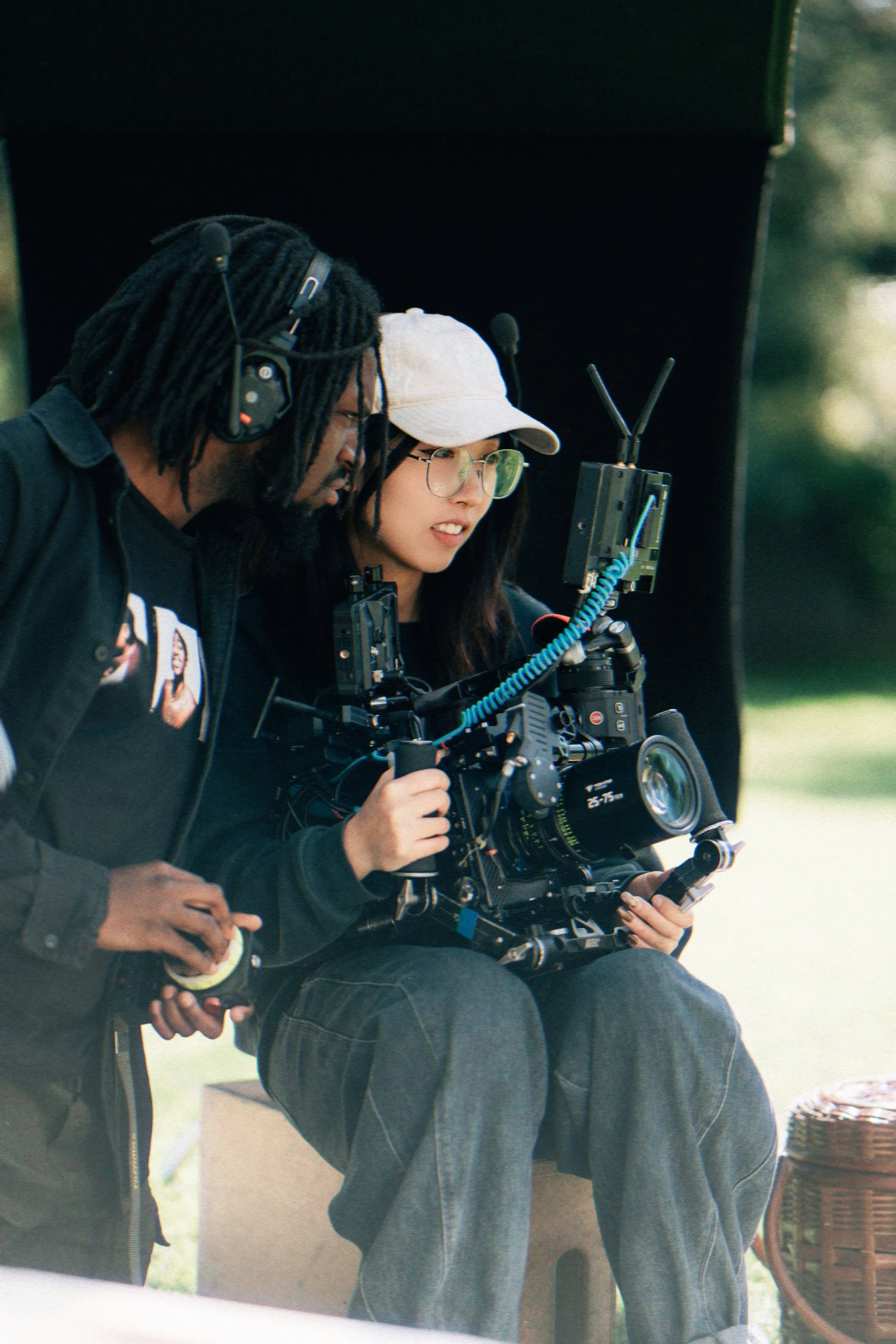
That year, it was time for her to do an exchange program in New York City at Columbia University. There, she took many film studies and cinematography courses. She explained, “I loved being in the United States. I watched amazing films and studied them. This is how I got into film. I knew I wanted to be a filmmaker.” After some convincing, Chen’s family supported her decision to apply to Loyola Marymount University in pursuit of her Master’s degree in cinematography.
Arriving at LMU, she experienced a whole new world. Weekdays were filled with classes that inspired her. Weekends were filled with student production sets where she learned how to be in different positions. Many days and nights were spent with fellow filmmaking peers. At the time, she believed that she wanted to be a director so that she could make the most creative decisions. The more she worked on projects, she found herself leaning towards making decisions about the way scenes were shot. Then, the pandemic hit. This led her to take a two-year gap to decide if cinematography was her true calling. Many days and nights were spent with fellow filmmaking peers. At the time, she believed that she wanted to be a director so that she could make the most creative decisions. The more she worked on projects, she found herself leaning towards making decisions about the way scenes were shot. Then, the pandemic hit. This led her to take a two-year gap to decide if cinematography was her true calling.
Back in China, she questioned her future. Her mind was plagued with self-doubt. But this didn’t stop her from creating a plan. She worked in the distribution department at Beijing Enlight Media, the studio and company behind hit films Ne Zha, Astro Boy, Monkey King, Big Fish and Begonia. Most recently, Ne Zha 2 was re-released with English dubs in partnership with A24. While she learned a lot from the company, she wanted to be in charge of her own creative development.
Simultaneously, she founded her own production company called Cine Phage Inc. She gathered her filmmaker friends in Shanghai. They shot commercials, social media videos, and projects together. Once the pandemic was over, she returned to LMU. Yiran spoke about invaluable resources at LMU. She mentioned attending the ASC Heritage Award Ceremony multiple times. She explained, “It was so inspiring. They sit in front of you then go up on stage to give a speech. It made me feel like my dreams weren’t impossible. I got to talk to so many DPs, and they were so kind and humble.”
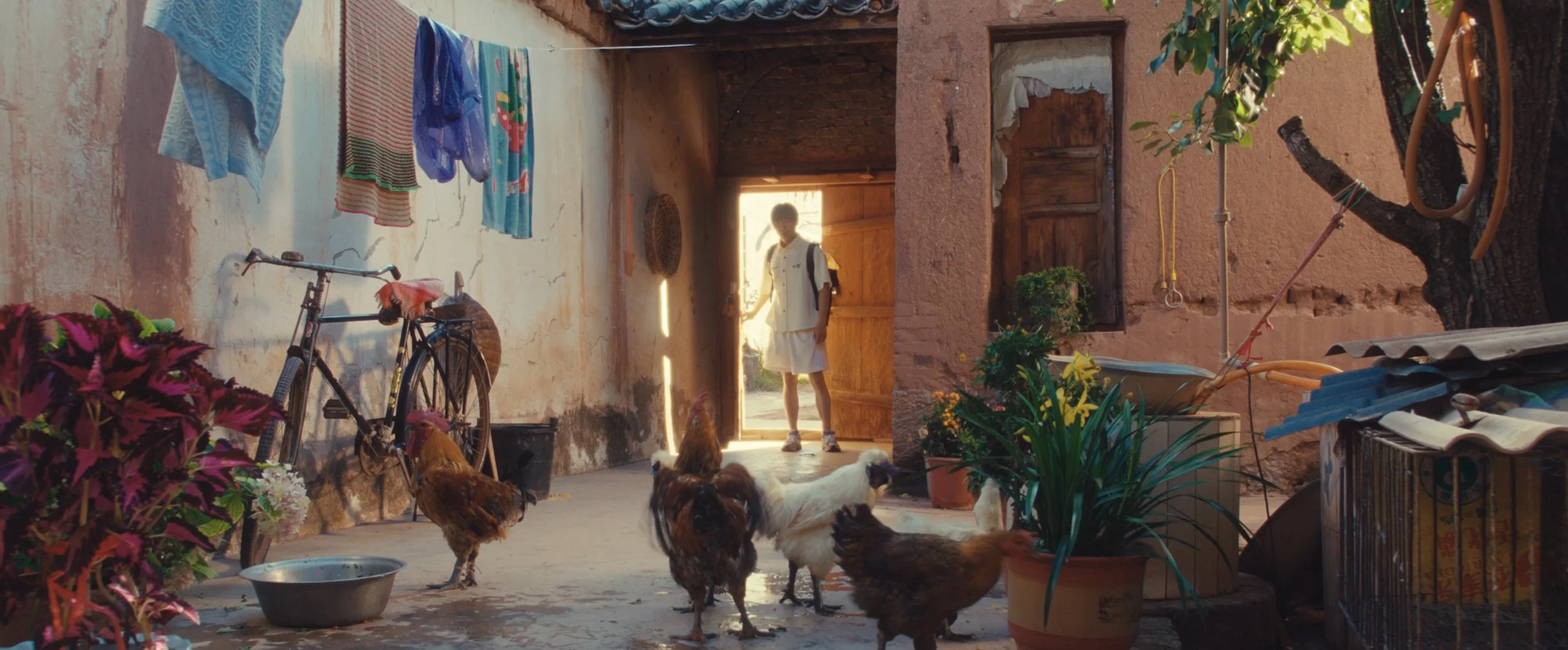
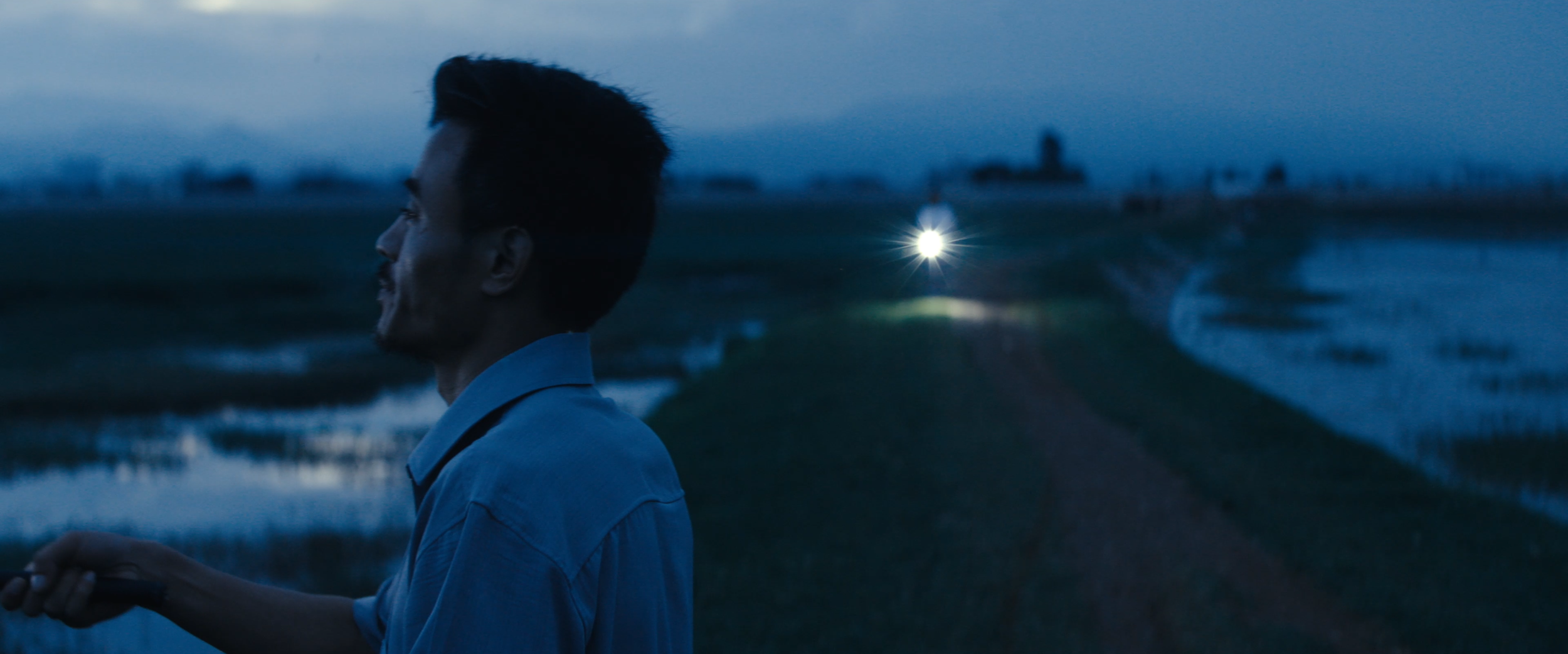
Getting into her work, To Kill A Chicken (directed by Qin-Qin) has been her favorite piece to shoot. The story follows a 27-year-old Chinese gay man grappling with hiding his sexuality to meet his family's marriage expectations, leading to a tense showdown during the traditional chicken slaughter ritual. She said, “I’m so grateful to LMU for allowing students to shoot international projects. Something many film schools don’t allow now. We shot the film in Qin-Qin’s home village. It was a luxury to stay on location, scout, and meet the villagers. They made us a local meal, and we had a great time.” Getting into her work, To Kill A Chicken (directed by Qin-Qin) has been her favorite piece to shoot. The story follows a 27-year-old Chinese gay man grappling with hiding his sexuality to meet his family's marriage expectations, leading to a tense showdown during the traditional chicken slaughter ritual. She said, “I’m so grateful to LMU for allowing students to shoot international projects. Something many film schools don’t allow now. We shot the film in Qin-Qin’s home village. It was a luxury to stay on location, scout, and meet the villagers. They made us a local meal, and we had a great time.”
The most unique aspect about her cinematography is how in tandem the shots, the color grading, and lighting design are. The frames are pristine, a key element in her shooting style. The colors also shift with the character’s emotions. For example, she visualized a pinnacle scene where the main character has an emotional conversation with his conservative father. She described it, “We wanted the scene to be during blue hour. We wanted the audience to understand that the son and father might not agree with each other but care about the family as a whole. We had to shoot most of it in daylight and cheat the blue tone during post-production. I work very closely with the colorist to create the color palette.”
Every cinematographer takes inspiration from those that came before them. According to Yiran Chen, she is inspired by films such as The Conformist and The Last Emperor. She is also greatly influenced by European artistic directors such as the Dardenne brothers, Vittorio Storaro, Andrei Tarkovsky, and Alain Renai. Additionally, early films from Asian directors, like Yimou Zhang and Karwai Wong also laid her foundation for understanding cinema. Every cinematographer takes inspiration from those that came before them. According to Yiran Chen, she is inspired by films such as The Conformist and The Last Emperor. She is also greatly influenced by European artistic directors such as the Dardenne brothers, Vittorio Storaro, Andrei Tarkovsky, and Alain Renai. Additionally, early films from Asian directors, like Yimou Zhang and Karwai Wong also laid her foundation for understanding cinema.
Her other films, Toad Song, Reason to Lie, Spring, Ornamental Oriental, etc., have one common theme: complex Asian narratives. Historically, Asian narratives in film and television used to be stereotypical and only showcased Asian characters as the nerdy sidekick or the Her other films, Toad Song, Reason to Lie, Spring, Ornamental Oriental, etc., have one common theme: complex Asian narratives. Historically, Asian narratives in film and television used to be stereotypical and only showcased Asian characters as the nerdy sidekick or the ill-tempered gangster. In recent years, Asian filmmakers across the industry have ill-tempered gangster. In recent years, Asian filmmakers across the industry have created created multidimensional multidimensional or or stories. stories. Yiran discussed her passion for new Asian stories, Yiran discussed her passion for new Asian stories, “I think a lot of Asian filmmakers are interested in telling stories “I think a lot of Asian filmmakers are interested in telling stories about about their their background. Personally, growing up in a society with so many constraints, I understand those characters who struggle. The director of To Kill a Chicken writes a lot of LGBTQ+ narratives that might not always be accepted back home. As a DP, I have a lot of ideas to help Asian directors create these moments.” Yiran’s films have screened in festivals all over the world, such as the Houston Asian background. Personally, growing up in a society with so many constraints, I understand those characters who struggle. The director of To Kill a Chicken writes a lot of LGBTQ+ narratives that might not always be accepted back home. As a DP, I have a lot of ideas to help Asian directors create these moments.” Yiran’s films have screened in festivals all over the world, such as the Houston Asian American Pacific Islander Film Festival, the Doc. London Documentary Film Festival in the UK, FIRST International Film Festival In China, and more. Recently, her films have been nominated for awards at Iris Prize (BAFTA Qualifying), Scottish Queer International Film Festival (BAFTA Qualifying), LA Shorts (Oscar Qualifying + Canadian Screen Award Qualifying), QFest St. Louis (which also runs the Oscar qualifying SLIFF), and Newport Beach Film Festival (Film Festival Alliance).
After graduating from LMU, she has been working on verticals, a popular short-form content format that platforms have been utilizing. She is also developing her own short films and projects on the side with other After graduating from LMU, she has been working on verticals, a popular short-form content format that platforms have been utilizing. She is also developing her own short films and projects on the side with other filmmakers.
At last, I asked her if there’s anyone she would like to thank for supporting her in her career. She emphasized her family’s love and support, “I know what I’m trying to do is different from what my parents had in mind. Still, they always supported me and respected my choice even if it’s hard. I remember I had to shoot a film to apply for film school. Something went wrong and one location fell through. My mother drove to the location and negotiated with the owner to let me use it. They were willing to do anything to help me and my projects. It truly meant a lot to me. ” At last, I asked her if there’s anyone she would like to thank for supporting her in her career. She emphasized her family’s love and support, “I know what I’m trying to do is different from what my parents had in mind. Still, they always supported me and respected my choice even if it’s hard. I remember I had to shoot a film to apply for film school. Something went wrong and one location fell through. My mother drove to the location and negotiated with the owner to let me use it. They were willing to do anything to help me and my projects. It truly meant a lot to me. ”