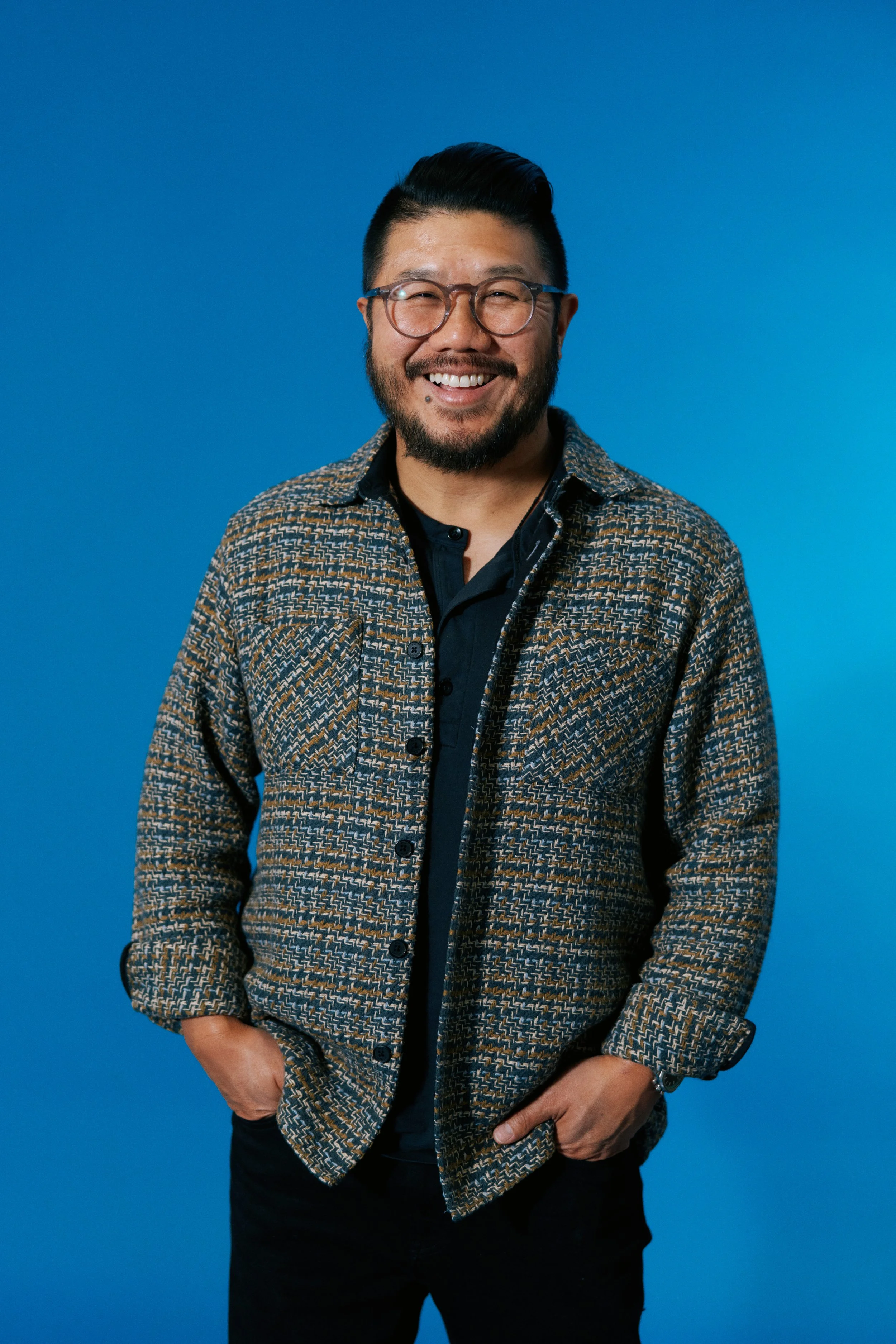
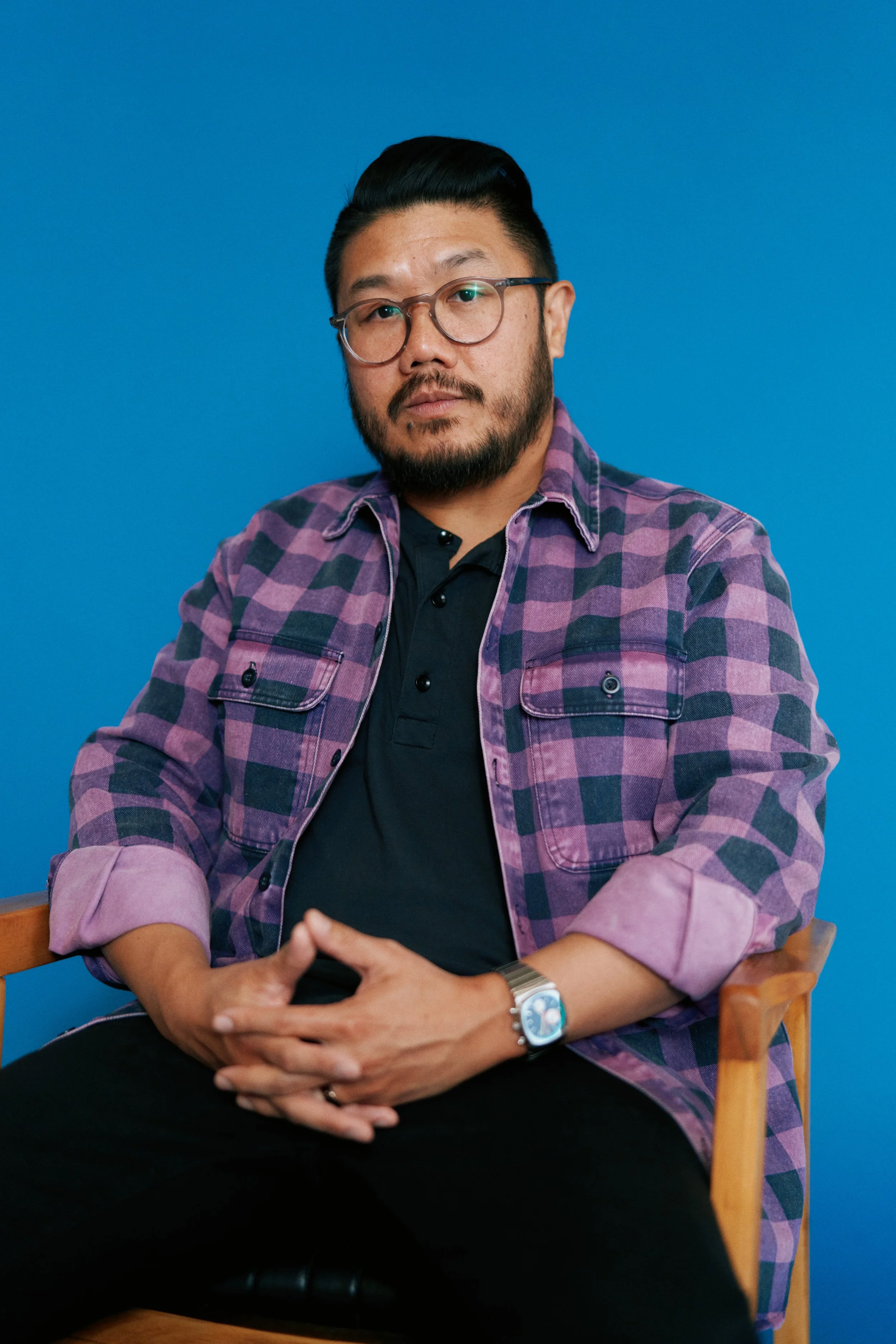
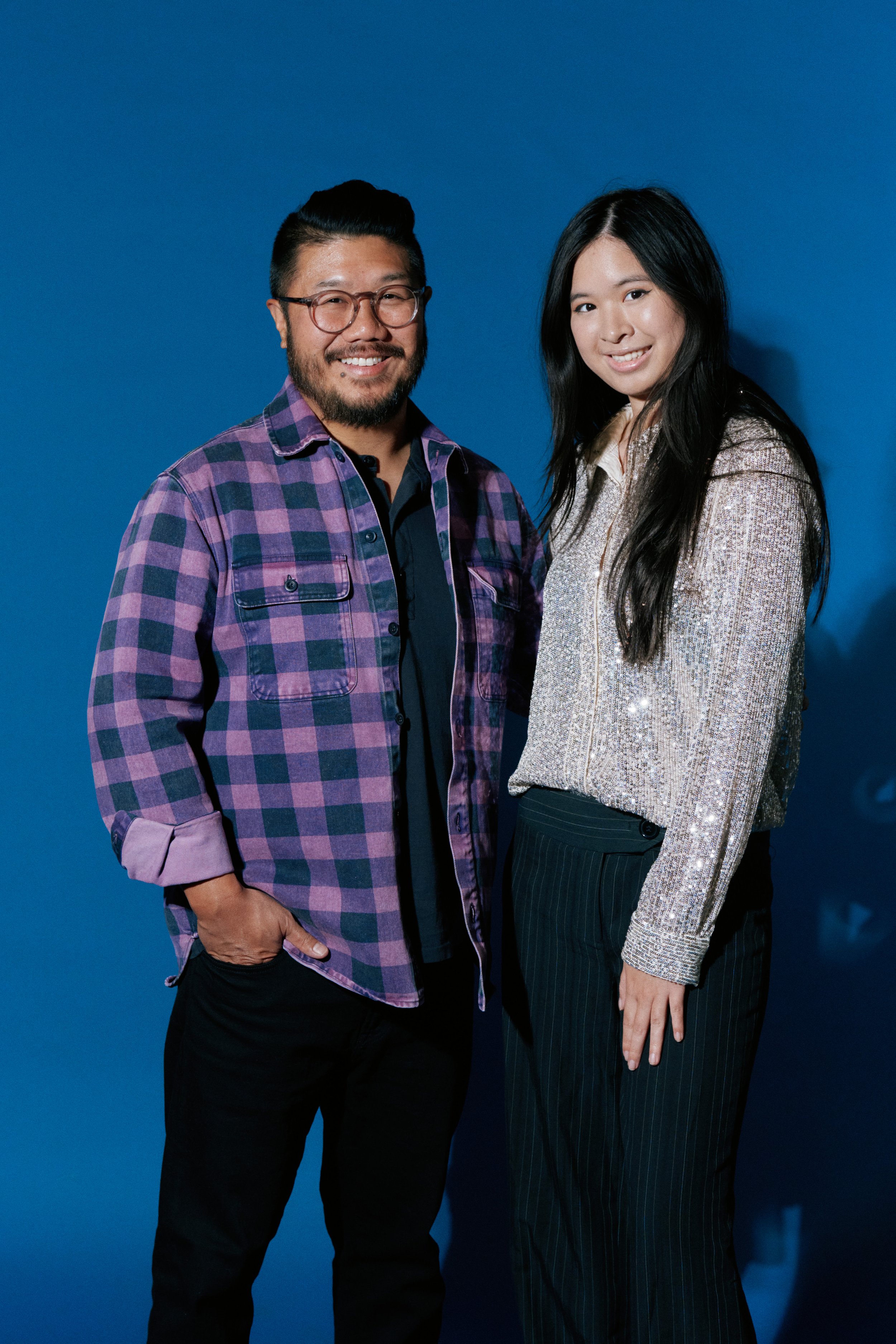
Kevin lau, writer & producer on dune: prophecy, house of the dragon, westworld, lovecraft country & more on genre-bending world building
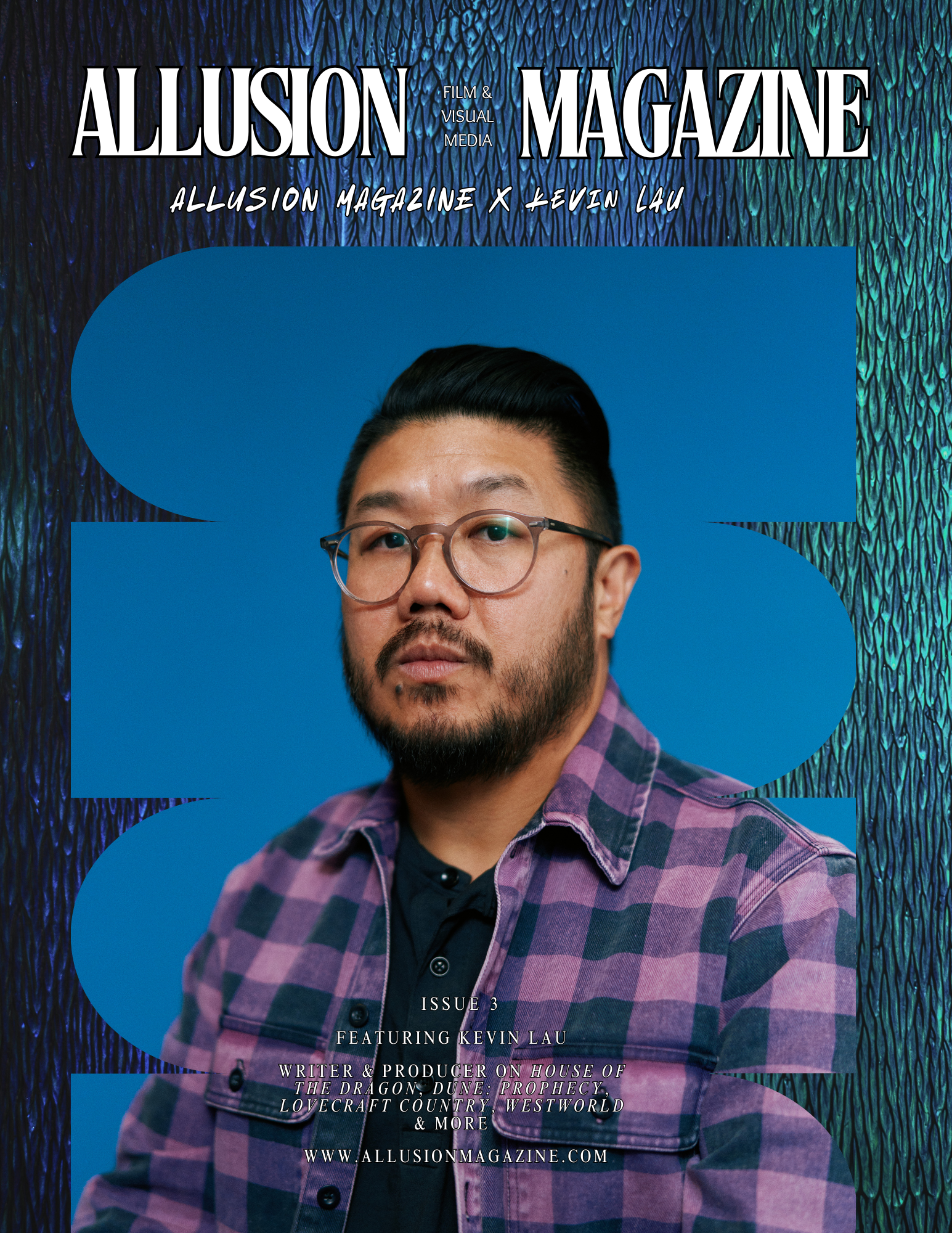
Written by: Milla Nguyen
Kevin Lau’ s Biography:
Kevin Lau is a writer and director with a WGA Award nomination, currently serving as an Executive Producer on the HBO series Dune: Prophecy. He has several projects in development including an adult animated series at Netflix. He’ s been on an overall deal at HBO, writing and producing on the Game of Thrones spinoff House of the Dragon and Westworld, and has also been staffed on the HBO series The Nevers, Lovecraft Country, and USA's Damnation. As an HBO Directing Fellow, Lau directed the comedy pilot presentation F**KED UP and sold a half-hour dramedy titled, Disconnect to FX. A Columbia University MFA graduate, Kevin’ s stylish thesis drama film Made in Chinatown was a recipient of the Panavision New Filmmaker Grant, SimonSays Entertainment Award for Innovative Filmmaking, and has won multiple awards on the festival circuit, including Best Film, Best Writing, and Best Actor at the NBCUniversal Shortcuts Competition.
Author’ s Note:
Kevin Lau is a multifaceted writer, director, and producer to watch. During our conversation, Lau spoke of “ full-circle” moments as he reflected on his creative journey from start to finish. He articulated his anecdotes in relation to every chapter of his career. Because of this, I could see how mentally fortified he was as a filmmaker. Lau brings lots of experience to the table, given his extensive portfolio in producing and writing on large-scale, big-budget projects. Global hit series such as House of the Dragon and Dune: Prophecy require intricate narrative planning and genre-bending world-building that must make sense to audiences. Lau emphasized the importance of tapping into his creative vision and learning to trust himself with these complex stories. The more he writes, the more he can see his imaginative worlds come to life on the page and on the screen.
Kevin Lau’ s Beginnings
Lau’ s childhood began in Los Angeles, California. In the early 1970s, his parents immigrated from Hong Kong in search of a better life and better opportunities. They opened a takeout restaurant, where Lau spent a lot of his time.
Choosing a Life of Stability or Passion?
Kevin Lau attended UCLA for his undergraduate studies. Being dual-culture (Chinese American), he felt pressure to choose a major that would set him up for stability in the future. His family thought that a career in the arts would be challenging to achieve. Lau expressed, “ My identity was very intertwined with my family back then. Thinking about a career in the arts was a hurdle for me in general. I didn’ t want to rock the boat too much. So, I chose communications. Because film and media studies were under the umbrella of communications, I was still able to take those classes. I would say my major brought me knowledge that I still use in filmmaking today.”
The Ambitions of an Emerging Filmmaker
After graduating from college, he mustered the courage to overcome his previous doubts by fully committing himself to film school at Columbia University in pursuit of his MFA. He explained, “ I went to Columbia to be a director and get better at screenwriting. Being in New York City, I experienced hustle culture and met very hard-working people, which is what I needed at the time. I didn’ t want to let my dreams pass me by. The infectious ambitions of my community motivated me.”
Made in Chinatown
His thesis film, Made in Chinatown, is a deep character study set in an old garment factory. We follow a factory seamstress who is having an affair with the factory owner's son and must decide whether or not to tell him of her pregnancy. In under twenty minutes, the audience is taken through three different characters and their perspectives. Thematically, the short film is a battle of Eastern and Western cultures and values, pointing to a larger zeitgeist about how Asian people survive in the United States. Lau elaborated, “ One day, I was digging around in my parents’ photo box and found old photographs of my dad in a suit, looking very Wong Kar Wai-like. He didn’ t talk much about that time in his life; he gave up everything he knew to come to the States. It got me thinking about the word sacrifice.”
His Return to Los Angeles
At this point, Lau truly made a full circle around the film industry. From being born in Los Angeles to living in New York City during his 20s, he felt more confident returning to Los Angeles, where he worked his way up in various writers’ rooms. Before his big break, he was selected as a fellow for HBO’ s Directing program. HBO lent financial support to all the selected filmmakers to shoot an original pilot concept. Even though Lau was in tune with his character-driven dramas, he was given the opportunity to direct a comedy script. He created the blueprint for directing F**KED UP, a project about a young woman who tries to prove herself by losing her virginity on the first day of college. He said, “ After making this pilot, I brought more comedic elements to my scene work. Real life isn’ t just drama or just comedy; it’ s a blend of both. It’ s a balance. The experience was invaluable.”
House of the Dragon: Dragons, Dungeons, and Dire Wars
Kevin Lau is a writer and producer on HBO’ s acclaimed series, House of The Dragon, a spin-off of Game of Thrones. Lau expressed that House of the Dragon makes major callbacks to the original franchise but is also different in its own right. The world-building is complex, so the showrunners decided to focus on one family: The Targaryens. I asked if there were any scenes of episodes that really stuck with him. He said, “ Daemon was always an interesting character. The audience kept guessing if he would take the crown from himself. When Viserys dropped his crown in episode eight, Daemon picked it up and placed it on Viserys’ s head. That scene showed his pure intentions; he loved his brother.” House of the Dragon follows the events of the Dance of the Dragons, a tense war between the Targaryen house and their enemies. Lau wrote episode 7 in season 1, and spoke about the scene when Aemond tamed Vhagar, the largest dragon in the realm. Lau said, “ I love that whole section. I think Aemond is my favorite character in the whole show. I pitched that I wanted to be the one to write this episode.”
Westworld: A Familiar Parallel
When he was staffed on Westworld, he found it incredibly thrilling and fun to work on. Season 4 took place during the pandemic, but that didn’t stop him from immersing himself in the world. He explained, “ I love science fiction. I actually considered going into astrophysics originally. But, I thought if I were an astrophysicist, I wouldn’ t be able to bring my love for the cinema. As a filmmaker, I could bring those interests to the show. I think it’ s interesting to think about what society will look like in x amount of years. Culturally, what does it mean? Especially with the growth of AI right now.”
Dune: Prophecy: World-Building 101
Lau’ s writing stints on major big-budget shows don’ t end there. He was asked to come on board for Dune: Prophecy. The series blends elements of intense intergalactic world-building, political intrigue, and interpersonal relationships. Lau and I discussed the characters’ wants and needs within the bounds of the story. “ Big ensemble shows set in horror, fantasy, or sci-fi genres should start with why we want to tell the story. It’ s like, how does this world reflect ours today? Second, what characters maximize the most potential in the story? We’ re casting the gaze inward and outward, looking at the events through their eyes.” Despite Dune: Prophecy’ s extensive ensemble cast, each character has a clear goal and emotional story. For example, the protagonist, Valya Harkonnen, seeks power and desires to control the great houses. However, her emotional need is to heal from her grief and lean on those around her.
Lovecraft Country: Television & Social Justice
Lovecraft Country, a series produced by Jordan Peele’ s Monkeypaw Productions, Bad Robot, and Warner Bros. Television, is a stark example of a show that combines racially diverse characters, horror set pieces, and societal themes. Lau spoke of his time staff writing on it, “ Horror becomes a metaphor. An allegory for the horrors we see in our own culture. Creatively, it’ s probably one of the most fulfilling shows I've worked on. There are ways to talk about relevant issues without being so on the nose. There’ s an elegance to it. My episode was set in the Korean War, and it was a way to highlight the Koreans’ perspective on American involvement in the war.”
Fellowships & Community at CAPE
Additionally, Lau was selected for the CAPE New Writers Fellowship and the Sony Directing Workshop. He expressed that both programs have helped him become better at communicating within a writers’ room and taught him to lean into his craft. He described, “ The CAPE fellowship was the first time I felt allowed to speak about being Asian in this industry. In a professional setting, we are able to trade stories and honestly discuss Asian stereotypes and biases. Everyone who was in the program and ran the program was Asian. Therefore, they knew about the cultural nuances in Asian households and the pressures of being an immigrant.” Lau said, “ It made me realize it’ s okay to rock the boat sometimes. I wanted to feel more comfortable asserting myself especially after identifying the way we, as Asian Americans, were raised.”
Kevin Lau’ s Advice on the Industry
I also asked if there was any advice he could give to emerging filmmakers who are looking to get their foot in the door. His words rang with truth and provided comfort for those who are concerned about their position in the industry. He urged, “ Your time in school is not the end-all, be-all. The industry at large is so much bigger. Your class might feel insular and intimate, but remind yourself that the program is a small pond in a much larger ocean. It’ s not about the school’ s name. It’ s about you, your work ethic, and your passion. And your network.”
His Slate for the Future
As for future plans, Lau is developing an animated series with Netflix. He is also working on a procedural in the mystery genre. Last but not least, he is passionate about creating an adaptation that is a social commentary.
Acknowledgements & Thanks
Finally, I asked if there was anyone he would like to thank for supporting him in his career. He mentioned his wife. He said, “ Day to day, I would not be able to do any of this without her in my life. Not just as support, but as a muse. I do these things for my wife and kids. Without a proper work-life balance, you might question the point. Filmmakers should make time for their relationships. Of course, my parents have supported me a lot. Coming to America was selfless; I understood that from a very young age. They did it so we could thrive.